
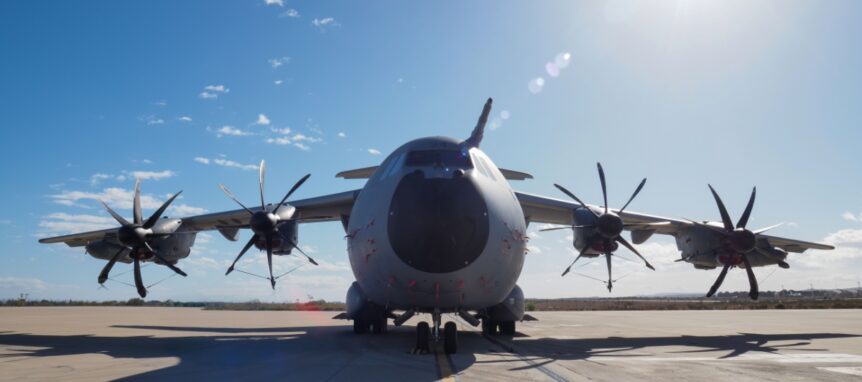
Civilian contractors working around military aircraft operate in some of the most demanding environments in overseas operations. From cargo loading and aircraft maintenance to fueling and runway support, these workers are essential to sustaining military logistics and mobility.
While aircraft operations are highly structured, they also involve significant hidden hazards. The pace of operations, the size of the equipment, and the nature of military aviation environments create injury risks that are often underestimated.
The Fast-Paced Nature of Flight Operations
Military airfields operate under strict schedules and mission demands. Aircraft may arrive and depart rapidly, particularly in active operational regions where timing is critical.
Contractors often work under pressure to complete fueling, maintenance, or cargo operations quickly. This fast pace reduces the margin for error and increases the likelihood of accidents.
In noisy and high-activity environments, maintaining situational awareness becomes more difficult, especially during night operations or periods of high operational tempo.
Jet Blast and Rotor Wash Hazards
One of the most dangerous but less visible risks around military aircraft is jet blast and rotor wash. The force generated by jet engines and helicopter rotors can knock workers off balance, send debris airborne, or overturn unsecured equipment.
Contractors standing too close to operating aircraft may suffer falls, impact injuries, or hearing damage. Loose tools and materials can become dangerous projectiles within seconds.
These hazards are especially dangerous on crowded flight lines where multiple operations occur simultaneously.
Noise Exposure and Hearing Damage
Military aircraft produce extreme noise levels that can cause long-term hearing damage. Even with hearing protection, repeated exposure can lead to hearing loss or chronic tinnitus.
Contractors working on flight lines or near active runways may be exposed to these conditions daily. Over time, cumulative noise exposure can become a serious occupational injury.
Hearing-related claims are common in long-term overseas aviation support work.
Vehicle and Equipment Accidents
Airfields rely on constant movement of fuel trucks, tow vehicles, cargo loaders, and maintenance equipment. Contractors frequently work in close proximity to moving vehicles while navigating crowded operational areas. Fueling operations also create fire and burn risks, particularly during high-tempo flight activity.
Limited visibility, tight schedules, and communication challenges can contribute to collisions or struck-by accidents. Aircraft themselves also create blind spots and restricted movement areas that increase risk.
Even routine transportation tasks can become hazardous in these environments.
Slip, Fall, and Mechanical Hazards
Flight lines and maintenance zones contain numerous physical hazards. Fuel spills, hydraulic fluids, and weather conditions can create slippery surfaces.
Contractors may work on elevated platforms, aircraft ladders, or maintenance stands, increasing the risk of falls. Sharp edges, moving mechanical components, and pressurized systems add another layer of danger.
Injuries involving aircraft equipment are often severe due to the size and complexity of the machinery involved.
Fatigue and Extended Operations
Military aviation support frequently involves long shifts and overnight operations. Contractors may work irregular schedules to support mission requirements or respond to urgent operational needs.
Fatigue slows reaction time and impairs decision-making. In high-noise, high-risk environments, even brief lapses in attention can result in serious injury.
The cumulative effects of exhaustion are often underestimated until an accident occurs.
Limited Access to Immediate Advanced Care
Many overseas airfields are located in remote or high-risk regions where advanced medical facilities are not immediately available. Serious injuries may require evacuation to larger military hospitals or regional medical centers.
Delays in treatment can worsen injuries and complicate recovery. In cases involving head trauma, crush injuries, or burns, immediate access to specialized care is often critical.
These delays may also become important issues in Defense Base Act claims.
Defense Base Act Coverage for Aviation Support Contractors
Civilian contractors supporting military aviation operations overseas are generally covered under the Defense Base Act. This law provides compensation for injuries arising out of overseas employment.
Benefits may include payment for medical treatment, wage replacement during disability, and compensation for permanent impairment. Conditions caused by cumulative exposure, such as hearing loss, may also qualify.
Coverage is not limited to dramatic accidents and may apply to repetitive occupational hazards associated with aviation support work.
Why Aviation-Related Claims Are Often Disputed
Insurance carriers frequently challenge claims involving aviation support operations. They may argue that hearing loss developed gradually from non-work causes or that injuries resulted from contractor negligence.
Disputes may also arise over the severity of injury, long-term restrictions, or the need for specialized treatment. Detailed documentation of working conditions and exposure history is often critical in these cases.
Recognizing the Hidden Risks Around Military Aircraft
Working around military aircraft involves far more than visible operational hazards. Noise exposure, moving equipment, jet blast, fatigue, and environmental conditions all contribute to a high-risk work environment for civilian contractors.
Understanding these hidden dangers is important for both injury prevention and legal protection.
The Hidden Toll of Military Aviation Support Work
Civilian contractors supporting military aviation operations perform essential work in demanding conditions. When injuries occur, the Defense Base Act provides an important framework for medical and financial protection.
For more information about Defense Base Act coverage for aviation-related contractor injuries, contact Barnett, Lerner, Karsen, Zobec, P.A.
Disclaimer: This article is for informational purposes only and does not constitute legal advice. Each Defense Base Act claim is unique. For advice specific to your situation, consult a qualified attorney.