
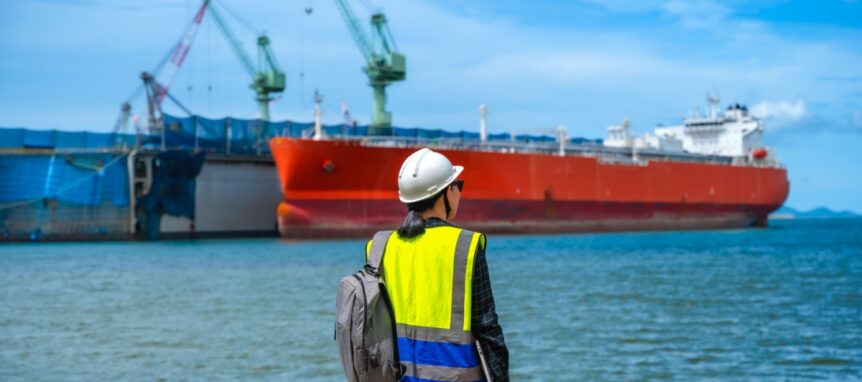
Slip and fall accidents are among the most common causes of injury in maritime work environments. For civilian contractors operating aboard vessels, offshore platforms, and port facilities, these incidents are far more dangerous than they may appear in traditional workplace settings.
In maritime environments, unstable surfaces, weather conditions, and confined work areas combine to create a constant risk of serious injury. Even a routine misstep can result in long-term physical consequences and significant time away from work.
Constantly Moving Work Environments
Unlike land-based job sites, maritime environments are rarely stable. Vessels shift with waves, currents, and changing weather conditions. Offshore platforms may vibrate from machinery or environmental forces.
This constant movement affects balance and footing, particularly when workers are carrying equipment or navigating narrow pathways. Contractors often adjust their body position instinctively to compensate for motion, increasing strain on joints and muscles over time.
Emergency drills and rapid operational changes can further increase fall risk when contractors must move quickly through unstable environments. A simple slip can quickly become a severe fall when surfaces are moving unpredictably.
Wet and Slippery Surfaces
Water exposure is unavoidable in maritime operations. Decks, gangways, ladders, and work areas are frequently wet from rain, sea spray, or routine operations.
Oil, fuel, hydraulic fluids, and cleaning chemicals can also accumulate on walking surfaces. Even when safety procedures are followed, slick conditions are difficult to eliminate entirely.
These surfaces become especially hazardous during rough weather or heavy operational activity.
Narrow Walkways and Elevated Work Areas
Maritime worksites often include confined spaces and elevated platforms. Contractors may move through narrow corridors, climb ladders, or work near open edges without the space typically available on land-based projects.
Falls in these environments can involve multiple levels or result in impact against hard metal surfaces and equipment. In offshore settings, a fall overboard introduces additional risks such as drowning or hypothermia.
The confined layout of many maritime structures increases the severity of otherwise routine falls.
Weather and Environmental Conditions
Weather plays a major role in maritime slip and fall risk. High winds, heavy rain, and rough seas can reduce visibility and destabilize workers.
Cold conditions may create icy or slick surfaces, while extreme heat can contribute to fatigue and dehydration. Both physical exhaustion and environmental stress reduce reaction time and increase the likelihood of accidents.
In many offshore operations, work continues despite challenging weather conditions due to operational demands.
Fatigue and Long Shifts
Civilian contractors in maritime environments often work extended shifts with limited rest periods. Offshore deployments may involve weeks away from shore with rotating schedules and overnight operations.
Fatigue affects balance, coordination, and decision-making. Workers who are physically exhausted are more likely to misjudge footing, overlook hazards, or react slowly to sudden vessel movement.
Over time, fatigue becomes a major contributing factor in slip and fall incidents.
Equipment and Obstruction Hazards
Maritime work areas are filled with hoses, cables, tools, and machinery. Limited storage space often means equipment is positioned close to active work zones.
Contractors moving quickly through these environments may trip over obstructions or lose balance while avoiding moving equipment. In emergency situations or high-tempo operations, these risks increase significantly.
Poor lighting during night operations can further reduce visibility and increase hazard exposure.
Serious Injuries From Maritime Falls
Slip and fall injuries in maritime settings are often severe. Contractors may suffer spinal injuries, fractures, traumatic brain injuries, or torn ligaments.
Falls involving ladders or elevated platforms can result in permanent disability. Even injuries that initially appear minor may worsen due to delayed medical care or the physical demands of offshore work.
In maritime environments, the consequences of a fall are often greater than in traditional workplaces.
Defense Base Act and Maritime Injury Coverage
Depending on the contractor’s role and location, injuries sustained in maritime environments may fall under the Defense Base Act, the Longshore and Harbor Workers’ Compensation Act, or the Outer Continental Shelf Lands Act.
These laws provide benefits for medical treatment, wage replacement, and disability related to work injuries. Coverage may apply even when environmental conditions contributed to the accident.
Determining which law applies often depends on where the injury occurred and the nature of the contractor’s duties.
Why Slip and Fall Claims Are Often Disputed
Insurance carriers frequently argue that slip and fall injuries resulted from worker inattention or failure to follow safety procedures. In maritime cases, they may also dispute the severity of injury or the need for extended treatment.
Because these accidents often occur in fast-moving environments with multiple contributing factors, detailed incident documentation is essential.
Photographs, witness statements, maintenance records, and medical evaluations may all play a role in establishing the claim.
Understanding the Risks of Maritime Work
Slip and fall accidents in maritime environments are not minor incidents. The combination of unstable surfaces, environmental exposure, confined spaces, and fatigue creates a uniquely hazardous work setting for civilian contractors.
Recognizing these risks is important for both workplace safety and legal protection after an injury occurs.
Protecting Contractors Injured in Maritime Environments
Civilian contractors working offshore and in maritime operations support critical industries under demanding conditions. When slip and fall accidents result in injury, legal protections exist to help address the physical and financial consequences.
For more information about Defense Base Act and maritime injury protections for offshore workers, contact Barnett, Lerner, Karsen, Zobec, P.A.
Disclaimer: This article is for informational purposes only and does not constitute legal advice. Each Defense Base Act claim is unique. For advice specific to your situation, consult a qualified attorney.