
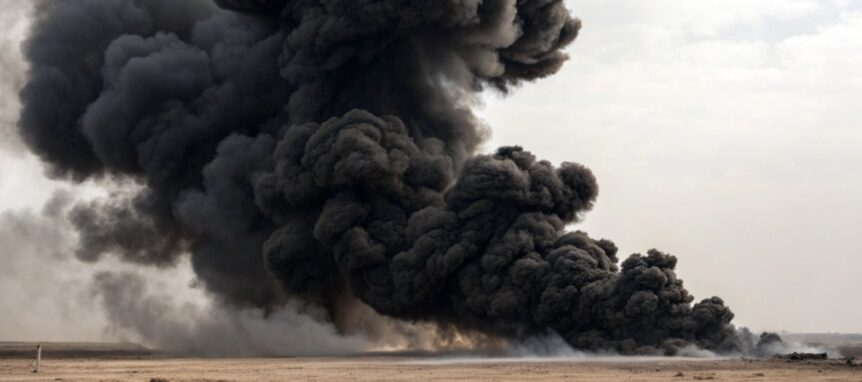
Many civilian contractors return home from overseas deployments believing they escaped serious injury, only to develop significant health problems years later. This delayed onset is especially common in cases involving burn pit exposure. Contractors who lived or worked near burn pits in Iraq, Afghanistan, Syria, and other locations are increasingly being diagnosed with respiratory diseases, cancers, and systemic inflammatory conditions long after their deployments ended.
Understanding why burn pit illness often appears years later is critical for both medical treatment and Defense Base Act claims.
What Contractors Were Exposed To at Burn Pits
Burn pits were open-air waste disposal sites used extensively at overseas bases. They burned everything from plastics and electronics to medical waste, fuel, chemicals, and human waste. These fires produced dense smoke filled with fine particulate matter and toxic compounds.
Contractors were often exposed continuously, breathing contaminated air while working, sleeping, and eating. Unlike short-term exposure incidents, burn pit exposure was chronic and cumulative, which plays a major role in delayed illness.
How Toxic Exposure Affects the Body Over Time
Many of the toxins released by burn pits do not cause immediate symptoms. Instead, microscopic particles and chemicals enter the lungs and bloodstream, where they trigger inflammation and cellular damage.
Over time, this damage can alter immune responses, disrupt normal cell function, and increase the risk of disease. The body may initially compensate for this damage, masking symptoms until the injury reaches a critical point. This is why contractors often feel healthy for years before serious conditions emerge.
Latency Periods for Burn Pit–Related Diseases
Many illnesses linked to toxic exposure have long latency periods. Respiratory diseases, autoimmune disorders, and cancers often take years or even decades to develop.
For example, scarring of lung tissue may progress slowly, with symptoms like shortness of breath or chronic cough appearing only after significant damage has occurred. Certain cancers linked to toxic exposure may not become detectable until long after exposure has ended.
This delayed timeline often leads contractors and even medical providers to overlook the connection to overseas service.
Why Symptoms Are Often Misattributed
When symptoms appear years later, they are frequently attributed to aging, lifestyle factors, or unrelated medical issues. Contractors may be told they have asthma, chronic bronchitis, or heart disease without any discussion of burn pit exposure.
Without recognizing the underlying cause, treatment may focus on symptom management rather than addressing the full scope of the injury. This delay can worsen outcomes and complicate the ability to document the true origin of the illness.
The Impact of Repeated Deployments
Many civilian contractors worked multiple overseas deployments, increasing their cumulative exposure. Even moderate exposure during a single deployment can become significant when repeated over several years.
Each deployment adds to the toxic burden on the body. This cumulative exposure further explains why symptoms may not appear until long after a contractor’s overseas work has ended.
Defense Base Act Coverage for Delayed-Onset Illness
The Defense Base Act covers illnesses that arise out of overseas employment, even when symptoms appear years later. Contractors are not required to show immediate injury, only that their employment contributed to or aggravated the condition.
Delayed onset is common in occupational disease cases and is recognized under the law. Medical evidence linking burn pit exposure to the illness is often the key factor in establishing a successful claim.
Eligible benefits may include payment for all reasonable and necessary medical treatment, wage replacement during periods of disability, compensation for permanent impairment, and survivor benefits in fatal cases.
Why Burn Pit Claims Are Frequently Challenged
Insurance carriers often deny burn pit claims by arguing that the illness is unrelated to employment due to the passage of time. They may claim the condition is caused by genetics, smoking, or other environmental factors.
Because symptoms develop slowly, insurers rely heavily on the absence of early medical records. This makes detailed exposure histories, deployment records, and expert medical opinions especially important in delayed-onset cases.
The Importance of Early Evaluation and Documentation
Contractors experiencing unexplained respiratory, cardiac, neurological, or systemic symptoms should seek medical evaluation that considers burn pit exposure. Identifying the connection early helps guide treatment and strengthens potential claims.
Waiting too long can make both medical recovery and legal claims more difficult, even though delayed onset is medically well documented.
Understanding the Long-Term Impact of Burn Pit Exposure
Burn pit illness often does not follow a predictable timeline. The absence of immediate symptoms does not mean the body was unharmed. For many contractors, the true impact of toxic exposure emerges only years later, with serious and sometimes life-altering consequences.
Recognizing delayed illness as a legitimate occupational injury is essential for ensuring access to care and compensation. For more information about Defense Base Act protections for burn pit-related illnesses, contact Barnett, Lerner, Karsen & Zobec, P.A.
Disclaimer: This article is for informational purposes only and does not constitute legal advice. Each Defense Base Act claim is unique. For advice specific to your situation, consult a qualified attorney.