
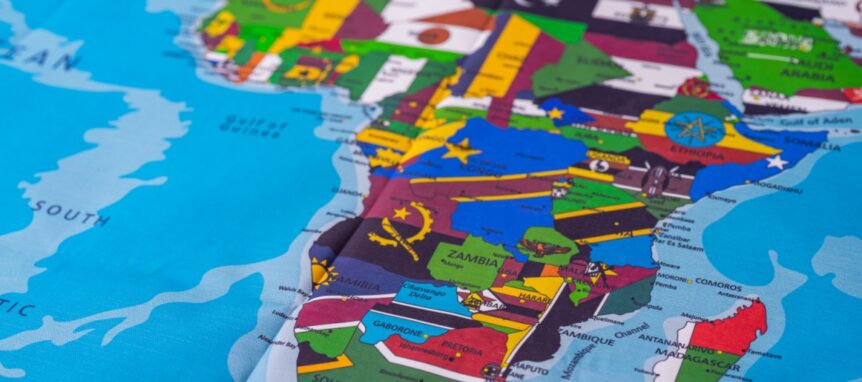
Across Africa, strategic military buildups are quietly reshaping security operations, logistics networks, and infrastructure development. From the Sahel to the Horn of Africa, foreign military involvement has expanded in response to terrorism, piracy, political instability, and competition for influence. Alongside uniformed troops, civilian contractors play a critical role in keeping these missions operational.
While these deployments are often framed as limited or advisory, the risks faced by civilian workers on the ground are significant. Construction crews, security personnel, logistics specialists, and technical experts operate in environments where instability, limited medical access, and evolving threats are part of daily life.
Why Africa Has Become a Strategic Focus
Africa’s strategic importance has grown rapidly over the last decade, according to defense and security analyses. Militant groups affiliated with ISIS and al-Qaeda operate across multiple regions, while piracy and trafficking threaten international shipping lanes. At the same time, global powers are competing for influence through security partnerships, base access agreements, and training missions.
This increased activity has led to expanded military facilities, forward operating locations, and joint operations that rely heavily on civilian expertise. Contractors are frequently tasked with building infrastructure, maintaining equipment, providing perimeter security, and supporting intelligence and communications systems.
The Unique Risks Contractors Face
Civilian workers in Africa often operate far from established military hospitals or modern trauma centers. Even relatively routine workplace injuries can become life-threatening when evacuation delays stretch for hours or days. Road travel accidents, construction falls, equipment malfunctions, and vehicle rollovers are among the most common causes of serious injury.
Security risks also remain unpredictable. Contractors may face indirect fire, ambushes, or attacks on convoys and worksites, even in areas officially considered low-threat. Political unrest, protests, and sudden changes in local alliances can rapidly destabilize a previously secure location.
Infrastructure and Construction Hazards
Many African military projects involve building or expanding facilities in remote areas with limited existing infrastructure. Contractors frequently work in extreme heat, rugged terrain, and under compressed timelines. Safety standards may be inconsistent, and local supply chains can be unreliable.
These conditions increase the likelihood of severe injuries, including crush injuries, traumatic brain injuries, spinal damage, and electrical accidents. The remoteness of many projects compounds the consequences, as delayed treatment often leads to more complex and costly medical outcomes.
Security and Support Roles Carry Ongoing Exposure
Security contractors assigned to guard bases, escort convoys, or protect personnel face continuous exposure to risk. Unlike traditional combat deployments, these assignments often involve long hours, repetitive duties, and constant vigilance, which can contribute to fatigue-related accidents.
Support contractors, including mechanics, communications specialists, and logistics personnel, may not consider themselves frontline workers. Yet their daily responsibilities frequently place them in vulnerable locations, including airfields, fuel depots, and supply routes that are attractive targets for hostile actors.
Defense Base Act Protections for Injured Contractors
The Defense Base Act provides workers’ compensation coverage for civilian employees injured while supporting U.S. government contracts overseas, including those in Africa. Coverage is not limited to combat injuries and may apply even when an injury occurs outside normal work hours, if employment placed the worker in a dangerous or isolated environment.
Eligible benefits may include payment of all reasonable and necessary medical treatment, wage replacement during periods of disability, compensation for permanent impairment, and survivor benefits in fatal cases. Importantly, the law recognizes that injuries overseas often involve delayed treatment and higher medical costs due to evacuation and specialized care needs.
Why These Claims Are Often Disputed
Insurance carriers frequently challenge Defense Base Act claims arising from Africa by arguing that injuries were unrelated to employment or were caused by general environmental conditions. They may also dispute the necessity or cost of emergency evacuation and overseas medical care.
Because injuries in remote regions are often more severe due to treatment delays, disputes over what constitutes reasonable and necessary care are common. Careful documentation and a clear understanding of how overseas conditions affect injury outcomes are critical in these cases.
The Hidden Cost of Strategic Expansion
As military involvement in Africa continues to expand, civilian contractors remain essential to mission success. Yet the risks they face are often underestimated. Injuries sustained in these environments can have lifelong consequences, both physically and financially.
The legal protections provided by the Defense Base Act exist to address these realities. When contractors are injured while supporting strategic operations abroad, they deserve access to medical care and wage protection that reflect the true risks of their work.
The Risks Facing Contractors in Africa
Strategic military buildups may appear limited on paper, but for civilian workers on the ground, the dangers are very real. Construction hazards, security threats, transportation accidents, and delayed medical care combine to create a high-risk environment that few fully appreciate until an injury occurs.
For contractors injured while working in Africa under U.S. government contracts, understanding available legal protections is essential. For more information about Defense Base Act coverage and overseas injury claims, contact Barnett, Lerner, Karsen, Zobec, P.A.
Disclaimer: This article is for informational purposes only and does not constitute legal advice. Each Defense Base Act claim is unique. For advice specific to your situation, consult a qualified attorney.