
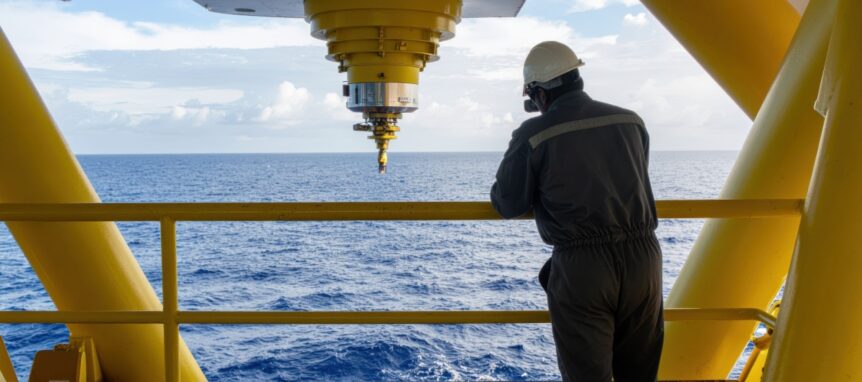
Offshore work often requires constant movement between vessels, platforms, and support structures. Whether transferring from a supply boat to an oil rig or boarding a platform via helicopter, these transitions are a routine part of offshore operations. Despite their frequency, offshore transfers remain one of the most dangerous aspects of maritime and offshore employment.
Civilian contractors involved in these operations face a unique combination of environmental, mechanical, and human risks that can lead to serious or catastrophic injuries.
The Complexity of Offshore Transfers
Unlike land-based movement, offshore transfers take place in an unstable and constantly changing environment. Vessels rise and fall with waves, winds shift unexpectedly, and visibility can change quickly.
Even under controlled conditions, timing and coordination must be precise. Workers often rely on ladders, gangways, cranes, or personnel baskets to move between structures. Each method carries its own set of risks, particularly when conditions are less than ideal.
A minor misstep or miscalculation can result in a fall, impact injury, or worse.
Common Types of Transfer Methods
Offshore transfers typically occur in several ways. Swing ropes and ladders are still used in certain conditions, requiring workers to climb or jump between moving surfaces. Gangways may be deployed between vessels and platforms, but these can shift with wave motion.
Personnel baskets lifted by cranes are another common method, especially for moving workers quickly. Helicopter transfers are used for longer distances or when sea conditions are unsafe.
Each method presents different hazards, but all share the same challenge of operating in an unpredictable environment.
Environmental Factors Increase Risk
Weather plays a major role in offshore transfer safety. High winds, rough seas, and poor visibility can make even routine transfers hazardous.
Wave motion can cause vessels to move unpredictably, increasing the risk of falls or crushing injuries between structures. Wet surfaces and salt spray create slippery conditions, further increasing the chance of accidents.
Even experienced workers can be caught off guard when conditions change suddenly.
Common Injuries During Transfers
Injuries during offshore transfers are often severe due to the forces involved. Falls between vessels or from elevated positions can result in head trauma, spinal injuries, or fractures.
Crush injuries may occur when workers are caught between a vessel and a platform during transfer. Swinging personnel baskets can strike workers or nearby structures if not properly controlled.
In some cases, workers may fall into the water, creating additional risks such as drowning or hypothermia, especially in cold environments.
The Role of Timing and Coordination
Successful offshore transfers depend on precise timing and communication. Crane operators, deck crews, and transferring personnel must work in sync.
Miscommunication or delayed signals can lead to unsafe movements. Noise from equipment, language barriers, and limited visibility can all interfere with coordination.
In high-pressure situations, even small errors can have serious consequences.
Limited Immediate Medical Response
When injuries occur during offshore transfers, immediate medical care is often limited. Most offshore facilities are equipped for basic stabilization rather than advanced treatment.
Serious injuries typically require evacuation by helicopter or vessel to a larger medical facility. Delays in transport can worsen the injury and increase the complexity of treatment.
These factors often play a significant role in both recovery and the cost of care.
Legal Coverage for Offshore Transfer Injuries
Civilian contractors injured during offshore transfers may be covered under the Outer Continental Shelf Lands Act, the Longshore and Harbor Workers’ Compensation Act, or the Defense Base Act, depending on the circumstances.
These laws provide compensation for medical treatment, wage loss, and disability related to work injuries. Determining which law applies depends on factors such as location, job duties, and the nature of the operation.
In many cases, overlapping coverage can make claims more complex.
Why These Claims Are Often Disputed
Insurance carriers frequently challenge offshore transfer injury claims. They may argue that the worker failed to follow safety procedures or that conditions were safe at the time of the incident.
Disputes may also arise over the severity of the injury or the necessity of evacuation and extended treatment. Because offshore operations involve multiple parties, responsibility can be difficult to establish.
Accurate incident reports, witness statements, and medical documentation are critical in these cases.
The Risks of Routine Offshore Movement
Offshore transfers are often viewed as routine, but they carry significant risk. The combination of moving structures, environmental conditions, and complex coordination creates a setting where serious injuries can occur quickly.
Understanding these risks is essential for both prevention and proper response when incidents happen.
Protecting Contractors After Offshore Transfer Injuries
Civilian contractors working offshore play a vital role in supporting energy production and maritime operations. When injuries occur during transfers between vessels and platforms, legal protections exist to help address the consequences.
For more information about Defense Base Act and maritime injury protections for offshore workers, contact Barnett, Lerner, Karsen, Zobec, P.A.
Disclaimer: This article is for informational purposes only and does not constitute legal advice. Each Defense Base Act claim is unique. For advice specific to your situation, consult a qualified attorney.