
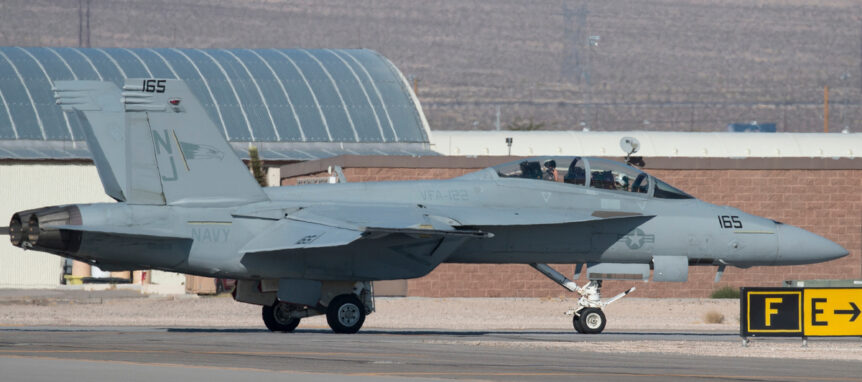
Recent attacks on U.S. military installations during the ongoing conflict involving the United States, Israel, and Iran have drawn attention to the growing importance of modern air defense systems. Reports indicate that Iranian missile and drone attacks have targeted U.S. bases across several Middle Eastern countries, placing air defense networks under constant pressure. While these systems are designed to protect military personnel and critical infrastructure, civilian contractors working on these installations are also directly affected by both the attacks themselves and the defensive operations that follow.
For thousands of contractors stationed on overseas military bases, air defense operations have become part of everyday life. From emergency shelter procedures to increased operational demands, these evolving security measures introduce risks that extend well beyond traditional workplace hazards.
Air Defense Systems Are Constantly Active
Modern military installations rely on sophisticated radar systems, missile interceptors, surveillance equipment, and command centers to detect and respond to incoming threats. These systems are designed to identify missiles, drones, and other airborne hazards within seconds. Modern air defense operations require continuous monitoring, rapid communication, and coordinated responses across multiple units, often requiring personnel throughout the installation to react within seconds.
When an incoming threat is detected, alarms may sound across the installation, requiring personnel to immediately stop work and move to designated shelters or protective locations. Contractors working outdoors, on flight lines, or at construction sites often have only moments to respond.
The urgency of these situations creates significant safety challenges.
Emergency Responses Can Lead to Injuries
Many injuries occur not from the incoming attack itself but during the rapid response that follows. Contractors may fall while running to protective bunkers, suffer orthopedic injuries while navigating uneven terrain, or be struck by equipment during emergency shutdown procedures.
The rush to reach shelter can also contribute to slips, trips, and vehicle accidents, particularly when visibility is poor or operations are taking place at night.
Even when an incoming missile or drone is successfully intercepted, the emergency response can create hazardous working conditions.
Increased Operational Tempo
Periods of heightened conflict often require bases to operate around the clock. Contractors may work extended shifts supporting aircraft, maintaining equipment, repairing damaged infrastructure, or restoring operational capabilities after an attack.
Long hours and limited opportunities for rest increase fatigue, reducing concentration and slowing reaction times. As a result, the likelihood of workplace accidents involving heavy equipment, aircraft, vehicles, and construction activities also increases.
The demands placed on contractors frequently extend well beyond their normal responsibilities.
Living Under Constant Threat
Working on a base protected by advanced air defense systems does not eliminate the psychological impact of repeated missile or drone threats. Frequent alarms, shelter-in-place orders, and uncertainty about future attacks can create significant emotional stress.
Many contractors report difficulty sleeping, increased anxiety, hypervigilance, and heightened startle responses after repeated hostile events. These symptoms may continue long after the immediate danger has passed and, in some cases, develop into post-traumatic stress disorder.
The mental toll of working in a high-threat environment should not be overlooked.
Blast Effects Can Still Cause Injury
Even when air defense systems successfully intercept incoming missiles or drones, nearby explosions may still expose contractors to dangerous blast overpressure.
Blast waves can contribute to concussions, hearing loss, tinnitus, and other injuries without direct physical contact from debris. Contractors may also be injured by falling objects, shattered glass, or structural damage caused by intercepts occurring near the installation.
Prompt medical evaluation following any nearby explosion is important, even when injuries are not immediately apparent.
Base Operations Change During Heightened Threats
As security conditions evolve, bases often implement movement restrictions, additional checkpoints, and revised work schedules. Contractors may be reassigned to different locations, required to follow new emergency procedures, or asked to perform duties under rapidly changing conditions.
These operational changes can create confusion, increase physical demands, and introduce new workplace hazards that would not normally exist during routine operations.
Flexibility becomes essential, but so does maintaining safe working practices.
Defense Base Act Coverage for Hostile Event Injuries
Many civilian contractors working on overseas military bases are covered by the Defense Base Act. The law provides workers’ compensation benefits for injuries arising out of overseas employment, including injuries sustained during hostile attacks or emergency responses.
Benefits may include payment for medical treatment, disability compensation for lost wages, permanent impairment benefits, and coverage for qualifying psychological injuries such as PTSD.
Whether an injury results directly from an attack or from conditions created by heightened military operations, it may qualify for protection under the Defense Base Act.
Why These Claims Can Be Complex
Insurance carriers may question whether an injury was caused by a hostile event, an emergency response, or ordinary workplace activity. They may also dispute delayed diagnoses involving concussions, hearing loss, or psychological injuries.
Accurate documentation, including medical records, incident reports, and evidence showing the circumstances surrounding the attack or emergency response, is often essential to protecting a contractor’s claim.
Understanding the Changing Nature of Overseas Work
Modern air defense systems play a vital role in protecting military installations, but they also reflect the growing complexity of today’s security environment. Civilian contractors working on overseas bases face risks that extend beyond their specific job duties, particularly during periods of increased regional conflict.
Understanding how these evolving threats affect workplace safety can help contractors recognize the importance of prompt medical evaluation and the legal protections available under the Defense Base Act.
For more information about Defense Base Act benefits following injuries sustained during hostile events on overseas military bases, contact Barnett, Lerner, Karsen, Zobec, P.A.
Disclaimer: This article is for informational purposes only and does not constitute legal advice. Each Defense Base Act claim is unique. For advice specific to your situation, consult a qualified attorney.