
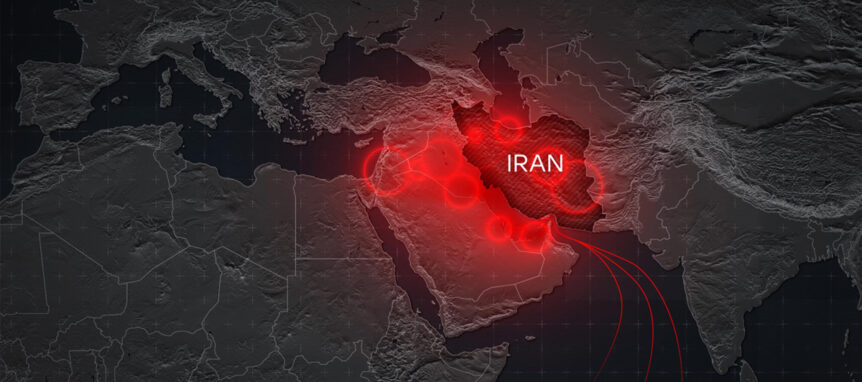
Recent hostilities involving the United States, Israel, and Iran have once again demonstrated how rapidly conditions can change for civilian contractors working on overseas military installations. Reports of missile and drone attacks targeting U.S. bases throughout the Middle East have required military personnel and civilian support teams to adapt to heightened operational demands, often with little warning.
As military operations accelerate during periods of conflict, civilian contractors frequently work longer hours, respond to changing priorities, and perform critical tasks under increased pressure. While these efforts are essential to mission success, the faster pace of operations can also increase the risk of workplace accidents and injuries. Understanding these risks is important for protecting both personal safety and the benefits available under the Defense Base Act.
What Is Operational Tempo?
Operational tempo refers to the speed and intensity of military activities. During periods of heightened conflict, bases often operate around the clock to support flight operations, logistics, communications, maintenance, and force protection.
Civilian contractors play a vital role in these efforts. They may be responsible for repairing aircraft, transporting supplies, maintaining facilities, fueling equipment, constructing infrastructure, or supporting communications systems. As operational demands increase, so does the pace of their work.
In many cases, routine maintenance schedules are replaced by around-the-clock operations, requiring contractors to adapt quickly to changing mission priorities.
Longer Hours Increase Fatigue
One of the most significant consequences of increased operational tempo is fatigue. Contractors may work extended shifts, respond to emergency repairs, or remain on call for prolonged periods while critical missions are underway.
Fatigue slows reaction times, reduces concentration, and affects decision-making. Even highly experienced workers become more susceptible to mistakes when they do not receive adequate rest. Research consistently shows that fatigue increases the likelihood of workplace injuries by impairing judgment, slowing reflexes, and reducing situational awareness.
In high-risk environments involving aircraft, heavy equipment, electrical systems, or construction activities, a momentary lapse in attention can result in serious injury.
Increased Pressure Can Lead to Mistakes
During periods of conflict, there is often tremendous pressure to restore damaged equipment, keep aircraft mission-ready, or maintain essential infrastructure without delay.
Although safety procedures remain important, working under tight deadlines can increase the likelihood of human error. Miscommunication, overlooked hazards, or rushed decisions may contribute to workplace accidents that otherwise could have been avoided.
Maintaining focus becomes increasingly difficult as workloads continue to grow.
Changing Work Environments Create New Hazards
Military installations often adjust operations in response to evolving threats. Contractors may be reassigned to unfamiliar work areas, relocate equipment, or perform duties outside their normal routines.
Temporary workspaces, emergency repairs, and rapidly changing job assignments can introduce hazards that workers have not previously encountered. Navigating unfamiliar environments while maintaining productivity requires constant awareness.
Even experienced contractors may face increased risks when operating under unfamiliar conditions.
Emergency Interruptions Increase Injury Risk
Missile warnings, drone alerts, and shelter-in-place orders can interrupt work at any time. Contractors may be required to immediately stop what they are doing and move to protective shelters before returning to complete unfinished tasks.
These repeated interruptions can disrupt concentration and increase the likelihood of mistakes when work resumes. Equipment may need to be restarted, partially completed tasks reviewed, or safety procedures repeated before operations can continue safely.
The combination of urgency and interruption creates additional opportunities for accidents.
Heavy Equipment and Vehicle Accidents
Many overseas contractors operate forklifts, cranes, construction equipment, cargo vehicles, or fuel trucks. Increased traffic around military installations during periods of heightened activity creates more opportunities for collisions and equipment-related incidents.
Busy flight lines, supply routes, and maintenance areas often become even more congested as operational demands increase. Fatigue and time pressure can further increase the likelihood of vehicle accidents and equipment mishaps.
These incidents frequently result in serious injuries requiring extensive medical treatment.
Psychological Stress Affects Workplace Safety
Operational tempo affects more than physical fatigue. The emotional strain of working under the constant possibility of hostile attacks can also influence workplace performance.
Stress, anxiety, sleep disruption, and hypervigilance may reduce concentration and interfere with normal decision-making. Contractors who are mentally exhausted may be more likely to overlook hazards or make errors during routine tasks.
Protecting mental health is an important part of maintaining workplace safety.
Defense Base Act Coverage for Workplace Accidents
Many civilian contractors working overseas under U.S. government contracts are protected by the Defense Base Act. The law provides workers’ compensation benefits for injuries arising out of overseas employment, including workplace accidents that occur during periods of increased military operations.
Benefits may include payment for medical treatment, disability compensation for lost wages, rehabilitation services, and compensation for permanent impairments. Psychological injuries resulting from the work environment may also qualify when supported by appropriate medical evidence.
Report Injuries Promptly
Regardless of how an accident occurs, contractors should report injuries as soon as possible and seek appropriate medical evaluation.
Prompt reporting creates documentation of the incident, allows healthcare providers to identify developing medical conditions, and helps establish the connection between the injury and overseas employment. Even injuries that appear minor immediately after an accident can worsen over time if left untreated.
Staying Safe During High-Tempo Operations
As conflicts continue to evolve around the world, civilian contractors remain essential to supporting military operations overseas. Increased operational tempo allows missions to continue during challenging circumstances, but it also creates additional workplace hazards that should never be overlooked.
Recognizing the effects of fatigue, stress, changing work environments, and emergency conditions can help contractors reduce injury risks while protecting their rights under the Defense Base Act if an accident does occur.
For more information about Defense Base Act benefits following workplace injuries sustained during overseas employment, contact Barnett, Lerner, Karsen, Zobec, P.A.
Disclaimer: This article is for informational purposes only and does not constitute legal advice. Each Defense Base Act claim is unique. For advice specific to your situation, consult a qualified attorney.