
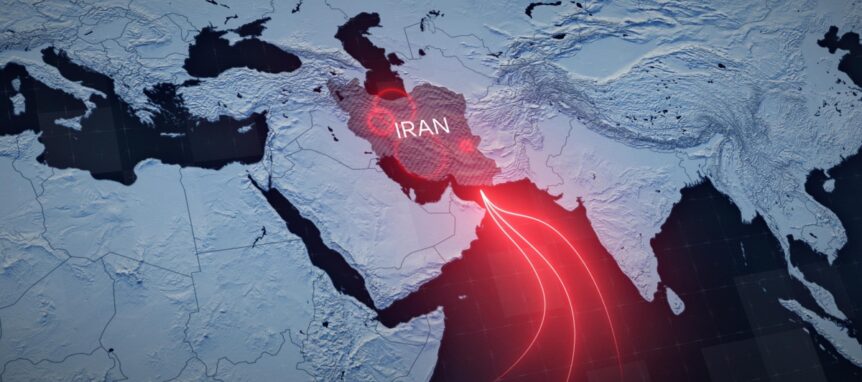
The Strait of Hormuz has long been one of the most strategically important waterways in the world. Connecting the Persian Gulf to global shipping routes, it serves as a critical passage for a significant portion of the world’s oil supply. For decades, it has been viewed primarily as an economic chokepoint.
Today, that perception is shifting. Rising tensions involving the United States, Iran, and regional actors have transformed the Strait of Hormuz into an increasingly volatile environment. For civilian contractors working in maritime, logistics, and offshore support roles, the risks are no longer limited to routine operational hazards.
A Strategic Waterway Under Pressure
The importance of the Strait of Hormuz cannot be overstated. Military presence in the region has increased as global powers seek to protect shipping lanes and maintain stability. At the same time, Iran has demonstrated its ability to disrupt traffic through vessel seizures, missile threats, and drone activity.
This combination of military buildup and unpredictable escalation creates a high-risk environment. Even in the absence of full-scale conflict, the potential for sudden incidents remains constant.
For contractors working in or near the Strait, this means operating in a zone where geopolitical tension directly impacts daily safety.
Expanding Roles for Civilian Contractors
Civilian contractors play a central role in maintaining operations in the Strait of Hormuz. These workers support shipping logistics, vessel maintenance, port operations, offshore energy infrastructure, and maritime security.
Many contractors are assigned to vessels, oil platforms, or coastal facilities that operate in close proximity to potential flashpoints. Their responsibilities may include cargo handling, mechanical support, navigation systems, or security coordination.
While these roles are essential, they place contractors directly in the path of emerging threats.
Evolving Threat Landscape
The risks in the Strait of Hormuz have evolved beyond traditional maritime hazards. Contractors must now account for threats such as missile strikes, drone surveillance, and the possibility of vessel interception.
Indirect fire incidents and aerial threats can occur with little warning. Even when attacks are not directly targeted at a contractor’s vessel or platform, proximity to the event can create dangerous conditions.
Debris, shockwaves, and sudden evasive maneuvers can all lead to serious injury. These risks are not theoretical, they are part of the operational reality in the region.
Vessel Seizures and Boarding Risks
In recent years, vessel seizures and forced inspections have become a significant concern in the region. Contractors aboard commercial or support vessels may find themselves in situations involving armed boarding or detainment.
These encounters carry both physical and psychological risks. Contractors may be exposed to forceful restraint, hazardous movement conditions, or prolonged confinement.
Even without physical injury, these incidents can have lasting effects on mental health and job security.
Operational Hazards in a High-Tension Environment
Standard maritime risks are amplified in conflict-prone waters. Navigation may be altered to avoid certain areas, increasing travel time and fatigue. Crews may operate under heightened alert conditions, reducing rest and increasing stress.
Emergency drills and rapid response protocols become more frequent, creating additional opportunities for accidents. Equipment may be used under pressure or in less-than-ideal conditions.
These factors combine to increase the likelihood of injury, even during routine operations.
Limited Access to Immediate Medical Care
Like many offshore environments, vessels operating in the Strait of Hormuz have limited medical capabilities. In the event of a serious injury, evacuation may be delayed due to security conditions or distance from advanced medical facilities.
These delays can worsen injuries and increase the complexity of treatment. Medical evacuation in a high-risk zone may also involve additional coordination with military or regional authorities.
From both a medical and legal perspective, these delays are significant.
Defense Base Act and Maritime Coverage
Civilian contractors supporting U.S. operations in the region may be covered under the Defense Base Act, as well as maritime laws such as the Longshore and Harbor Workers’ Compensation Act or the Outer Continental Shelf Lands Act, depending on their role.
These laws provide compensation for medical treatment, wage loss, and disability resulting from work-related injuries. Coverage may extend to incidents involving hostile activity, transportation accidents, or cumulative stress related to deployment conditions.
Determining the applicable law often depends on the contractor’s specific duties and location at the time of injury.
Why Claims May Be Disputed
Injuries occurring in the Strait of Hormuz are often subject to dispute. Insurance carriers may question whether an injury was caused by hostile activity, routine operations, or unrelated factors.
They may also challenge the necessity of evacuation, the extent of medical treatment, or the duration of disability. In a complex operational environment involving multiple parties, establishing responsibility can be difficult.
Detailed documentation of the incident, working conditions, and medical progression is essential in these cases.
The Shift From Economic Corridor to Risk Zone
The Strait of Hormuz is no longer just a critical shipping route. It is increasingly a zone of heightened military and geopolitical tension. For civilian contractors, this shift brings new and evolving risks that extend beyond traditional maritime hazards.
Understanding these risks is essential for both safety and legal protection.
Protecting Contractors in High-Risk Maritime Regions
Civilian contractors operating in the Strait of Hormuz support critical global infrastructure under challenging conditions. As tensions continue to evolve, the risk of injury remains a serious concern.
For more information about Defense Base Act and maritime injury protections for contractors working in high-risk regions, contact Barnett, Lerner, Karsen, Zobec, P.A.
Disclaimer: This article is for informational purposes only and does not constitute legal advice. Each Defense Base Act claim is unique. For advice specific to your situation, consult a qualified attorney.