
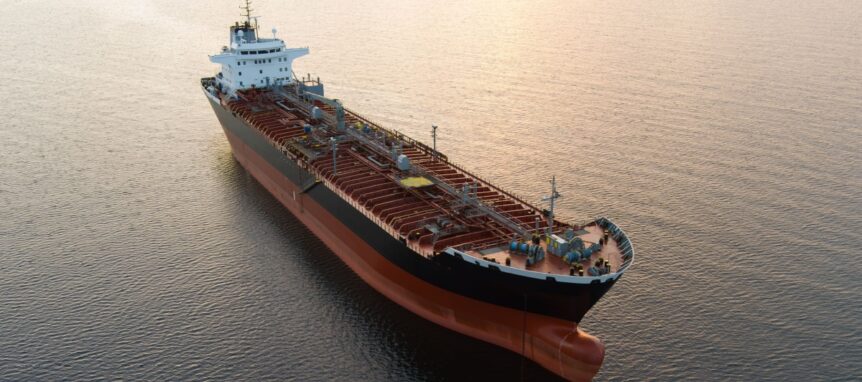
In recent months, the Red Sea has become one of the most active and dangerous maritime zones in the world. Drone and missile attacks launched from Yemen’s Houthi-controlled territories have targeted commercial vessels, oil tankers, and naval ships belonging to U.S. and allied forces. The result is a chaotic new front in modern warfare; one dominated not by traditional firepower, but by the precision and unpredictability of drone technology.
Amid this surge in attacks, thousands of civilian contractors are working in and around the region. From port logistics and ship maintenance to security and intelligence support, these men and women are critical to U.S. operations in the Middle East. Yet their proximity to danger places them at growing risk of injury, both from direct attacks and the hazards that come with high-tension deployments.
The Red Sea’s Strategic and Volatile Waters
The Red Sea is a vital shipping route that connects Europe, Asia, and Africa. Nearly 12% of global trade passes through this corridor, making it one of the most strategically important waterways on Earth. In early 2023, Houthi forces began using swarms of drones and anti-ship missiles to disrupt traffic and pressure Western nations.
According to public defense reports, the United States and several allied countries responded with naval patrols and defensive strikes, heightening military activity across the region. Contractors supporting these missions, both at sea and on nearby bases in Djibouti, Saudi Arabia, and the Gulf of Aden, are now operating in a conflict zone that changes daily.
How Contractors Are Involved
Private military and civilian contractors form the backbone of many U.S. maritime and logistics operations in the Red Sea region. Their responsibilities range from maintaining radar and communications systems to transporting fuel, food, and equipment to forward bases.
Security contractors may work aboard vessels or protect coastal installations. Others manage drone detection systems, intelligence analysis, or mechanical repair for ships and aircraft. Although they are not active-duty military, these contractors often face the same dangers, including explosions, debris injuries, and the constant stress of operating under threat of attack.
The Growing Risk of Drone Warfare
Drone warfare presents a unique challenge for contractors. Drones can evade traditional defenses, strike with little warning, and cause damage far beyond their size. When attacks occur near ports or supply routes, contractors performing maintenance or loading operations are especially vulnerable.
The noise, concussive force, and suddenness of these strikes can lead to traumatic brain injuries, hearing loss, burns, and psychological trauma. Even near misses can cause significant harm from shock waves and debris. Unlike soldiers, contractors may not have access to the same protective gear or evacuation resources, leaving them more exposed in dangerous zones.
The Defense Base Act and Contractor Protections
Civilian contractors injured while supporting U.S. missions overseas are covered under the Defense Base Act (DBA), a federal law that extends workers’ compensation protections to those working for U.S. government contractors outside the country.
DBA benefits typically include:
- Coverage for all reasonable and necessary medical treatment, including emergency evacuation and rehabilitation
- Wage replacement benefits at two-thirds of the contractor’s average weekly wage during recovery
- Compensation for permanent or long-term disabilities, including mental health conditions like PTSD
For contractors operating near the Red Sea, understanding these rights is critical. Injuries resulting from drone or missile attacks, as well as secondary effects such as trauma or psychological distress, may all qualify for compensation under the DBA.
Legal Challenges in Drone-Related Injury Claims
DBA claims related to drone or missile incidents can be complicated. Insurance companies may question whether the injury occurred “in the course of employment” or whether it was the result of a hostile act outside the contractor’s duties. They may also dispute the severity of psychological injuries, such as anxiety or post-traumatic stress, or deny medical evacuations as “not reasonably necessary.”
An experienced Defense Base Act attorney can help establish the connection between the deployment environment and the injury, ensuring that all aspects, including physical and mental health, are properly addressed. Legal counsel also helps secure accurate wage calculations, which must include overtime, hazard pay, and uplifts common in high-risk assignments.
Protecting Those Working Beneath the Drones
Drone warfare is changing the nature of conflict, and contractors now find themselves working in an era where the front line can shift in an instant. From repairing radar systems to unloading cargo under threat of attack, their work is indispensable to global security operations.
When these civilians are injured in the line of duty, they deserve the same level of protection and compensation as those in uniform. The Defense Base Act ensures that contractors receive medical care, wage benefits, and legal recourse when danger turns into disaster.
For more information about Defense Base Act protections for contractors injured in drone or missile attacks, contact Barnett, Lerner, Karsen, Zobec, P.A..
Disclaimer: This article is for informational purposes only and does not constitute legal advice. Each Defense Base Act claim is unique. For advice specific to your situation, consult a qualified attorney.