
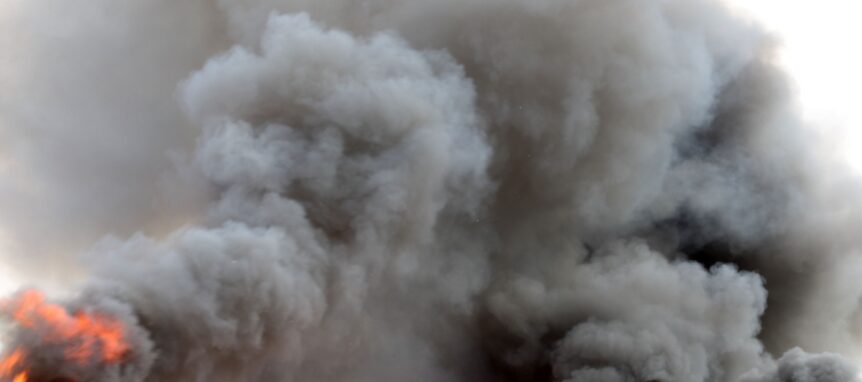
Burn pits remain one of the most serious health hazards linked to deployments in Iraq, Afghanistan, Syria, Djibouti, and other overseas locations where U.S. forces and contractors have operated for more than two decades. These massive open-air fires were used to dispose of nearly everything imaginable, from plastics and chemicals to vehicle parts, medical waste, and food scraps. The toxic smoke these pits produced has been linked in numerous studies to respiratory illnesses, cancers, autoimmune disorders, cardiovascular disease, and long-term neurological problems.
While burn pit exposure affected both military personnel and contractors, new evidence suggests that civilian contractors may have been among the most heavily exposed groups. Their job duties, work environments, and deployment cycles created conditions that often placed them closer to burn pits for longer periods of time. As a result, many contractors now face serious health issues years after their service overseas. Understanding why this population is uniquely vulnerable is essential for recognizing symptoms early and securing the full protections available under the Defense Base Act.
Why Contractors Worked Closest to Burn Pits
Military personnel rotated through different job assignments and sectors, but contractors were frequently hired for long-term roles that kept them near the pits daily. Many private companies were responsible for the very operations that fed and maintained burn pits, including waste removal, base operations, logistics, and facility maintenance.
Unlike troops who might be stationed farther from disposal areas or rotate out of high-exposure zones, contractors sometimes worked right next to the burn pits from dawn until dusk. Their proximity was not accidental: burn pit management was considered a labor-intensive job often delegated to private workers under government contracts.
With little protective gear and limited oversight, civilian workers often inhaled smoke, ash, and debris for extended periods.
Long Deployments Increased Exposure
Another major factor was the length of contractor deployments. Military personnel typically served fixed rotations, while contractors often remained overseas for longer stretches, sometimes years at a time. The longer a person spent in the deployment environment, the greater their cumulative exposure.
Contractors also lived in housing located closer to industrial areas, flight lines, or waste zones. Many base layouts placed contractor living quarters downwind of burn pits. Even during off-duty hours, workers breathed the same toxic air drifting across the compounds.
A Lack of Protective Protocols
Burn pit operations were rarely regulated, especially during the early years of the Iraq and Afghanistan wars. Protective masks, respirators, and air filtration systems were not widely provided for contractors, even those assigned to waste disposal or heavy labor.
This lack of protection meant that contractors inhaled smoke containing dioxins, heavy metals, particulate matter, benzene, and volatile organic compounds—substances known to cause severe long-term medical conditions. The absence of training on toxic exposure risks only compounded the danger.
The Health Consequences Contractors Face
Because of these combined factors, contractors now represent a large portion of individuals reporting serious burn pit-related health problems. These illnesses often develop slowly over time, making early detection difficult.
Common conditions include chronic bronchitis, COPD, asthma, sinusitis, and constrictive bronchiolitis. Many contractors have reported unexplained fatigue, headaches, skin rashes, gastrointestinal issues, and reduced lung capacity. More serious diagnoses such as leukemia, lymphoma, pancreatic cancer, kidney cancer, and autoimmune disorders have been increasingly linked to prolonged exposure.
For many contractors, the path to diagnosis involves years of medical appointments, misdiagnoses, and worsening symptoms. By the time a clear connection to burn pit exposure is established, the illness may already be advanced.
Defense Base Act Rights for Burn Pit Victims
Contractors who were injured or made ill while working overseas under U.S. government contracts are protected by the Defense Base Act (DBA). This federal law provides compensation and medical benefits for deployment-related injuries and illnesses, including those caused by toxic exposure.
Under the DBA, eligible contractors may receive:
- Full medical coverage for all reasonable and necessary treatment related to the illness
- Wage loss compensation during recovery or disability
- Permanent disability benefits for severe or life-altering conditions
- Survivor benefits for families if the illness proves fatal
One of the most important features of the DBA is its broad definition of “deployment-related injury.” A contractor does not need to prove the exact moment of exposure. They only need to demonstrate a connection between their overseas employment and their current illness. This is a lower burden than many civilian systems require.
Why Burn Pit Claims Are Contested
Despite the clear risks and growing medical evidence, burn pit claims often face pushback from insurance carriers. Insurers may argue that an illness is unrelated to deployment, caused by genetics, or the result of lifestyle factors. Mental health effects caused by toxic exposure or the stress of chronic illness may also be minimized or denied.
Because burn pit illnesses often develop years after deployment, contractors may struggle to gather documentation, witness statements, or medical evidence linking their condition to their employment. These challenges make legal representation essential for securing benefits.
Ensuring Protection for Those Who Served Abroad
Civilian contractors were essential to U.S. operations in the Middle East, Africa, and Central Asia, working long hours in dangerous environments and often standing closest to burn pits. Their exposure to toxic smoke was not accidental. It was a direct result of their job assignments and deployment conditions. As a result, they face heightened risks of serious illness that can impact their quality of life for decades.
The Defense Base Act exists to protect workers who dedicated themselves to mission-critical operations overseas. When contractors develop burn pit-related illnesses, they deserve access to full medical care, wage benefits, and legal support to navigate the complex claims process.
For more information about Defense Base Act protections for burn pit-related illnesses, contact Barnett, Lerner, Karsen, Zobec, P.A..
Disclaimer: This article is for informational purposes only and does not constitute legal advice. Each Defense Base Act claim is unique. For advice specific to your situation, consult a qualified attorney.