
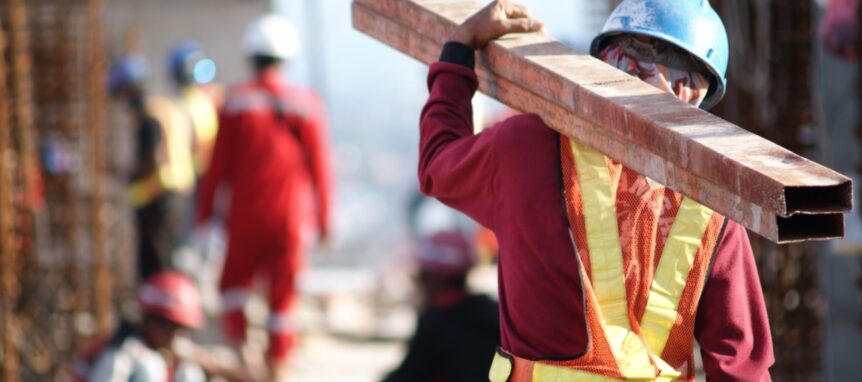
When most people think about overseas risk, they picture active combat zones and security operations. Yet some of the most serious injuries occur far from direct engagement areas. Construction contractors working on overseas bases face daily exposure to hazards that are less visible but equally dangerous.
From runway expansions and barracks upgrades to port facilities and perimeter infrastructure, civilian construction workers play a central role in sustaining military operations. Their work environments are demanding, unpredictable, and often medically isolated.
Working in Active Operational Environments
Construction on overseas bases rarely occurs in a calm, controlled setting. Even in relatively stable regions, projects often proceed alongside active flight operations, armored vehicle movement, and live training exercises.
Heavy equipment operates in tight spaces. Aircraft take off and land nearby. Convoys move through work zones. These overlapping activities increase the risk of struck-by incidents, equipment rollovers, and crush injuries.
Unlike civilian construction sites in the United States, these environments may lack the same regulatory oversight or consistent safety enforcement.
Environmental and Geographic Risks
Many overseas bases are located in extreme climates. Contractors routinely work in high heat, heavy humidity, sandstorms, or monsoon conditions. Prolonged heat exposure increases the risk of dehydration, heat stroke, and cardiac stress.
Remote locations may also present uneven terrain, unstable soil, and limited lighting. Slips, falls, and structural collapses become more likely when projects move quickly to meet operational deadlines.
The physical strain of these conditions compounds the risk of musculoskeletal injuries, particularly when shifts are long and rest periods are limited.
Security Threats in Non-Combat Zones
Even when not deployed in active conflict, overseas bases may experience sporadic security incidents. Rocket attacks, perimeter breaches, civil unrest, or insider threats can interrupt work without warning.
Construction crews are often exposed in open areas with limited cover. Sudden alarms may require immediate evacuation, increasing the risk of injury during hurried movement or equipment shutdown.
While these events may be infrequent, their unpredictability adds another layer of occupational hazard.
Equipment and Material Hazards
Overseas construction projects frequently involve large-scale infrastructure upgrades. Contractors operate cranes, bulldozers, forklifts, and power tools under demanding conditions.
Supply chain limitations sometimes result in equipment that is older or heavily used. Delayed maintenance or part shortages can increase malfunction risk. Electrical hazards, welding injuries, falling debris, and structural instability are persistent concerns.
These hazards exist beyond any front-line exposure and can result in severe or permanent injuries.
Limited Medical Infrastructure
Many overseas bases lack advanced medical facilities capable of handling major trauma. On-site clinics are typically equipped to stabilize patients, not perform complex surgeries.
Serious injuries often require evacuation to regional medical centers or back to the United States. Delays in transport can worsen outcomes, leading to more extensive treatment and longer recovery periods.
These evacuation-related complications often become central issues in Defense Base Act claims.
Defense Base Act Coverage for Construction Contractors
Construction contractors working overseas under U.S. government contracts are generally covered by the Defense Base Act. This federal workers’ compensation system provides medical care and wage replacement for injuries arising out of overseas employment.
Coverage may apply not only to accidents during active construction but also to injuries that occur on base during off-duty hours if employment placed the contractor in a dangerous or isolated location.
Eligible benefits may include payment of reasonable and necessary medical treatment, temporary or permanent disability benefits, and compensation for loss of earning capacity.
Why Construction Claims Are Frequently Disputed
Insurance carriers often challenge construction injury claims by arguing that the accident was caused by personal negligence or pre-existing conditions. They may also dispute the severity of injury or the need for extended treatment.
When evacuation is required, insurers sometimes question whether certain medical procedures were necessary or whether recovery time is excessive. Clear documentation of working conditions and medical progression is essential in these cases.
Recognizing the Risks Beyond Combat
Construction contractors on overseas bases face substantial risks that extend well beyond direct combat exposure. Heavy machinery, extreme environments, security instability, and limited medical resources create a complex hazard profile.
These risks are inherent to the deployment environment and must be understood in the context of injury claims.
Protecting Construction Contractors After Overseas Injury
Civilian construction workers support critical infrastructure that enables military and diplomatic operations worldwide. When injuries occur, the Defense Base Act provides a framework for medical and wage protection.
Understanding the hidden hazards of overseas base construction is an important step in recognizing the full scope of injury risk.
For more information about Defense Base Act protections for overseas construction contractors, contact Barnett, Lerner, Karsen & Zobec, P.A.
Disclaimer: This article is for informational purposes only and does not constitute legal advice. Each Defense Base Act claim is unique. For advice specific to your situation, consult a qualified attorney.