
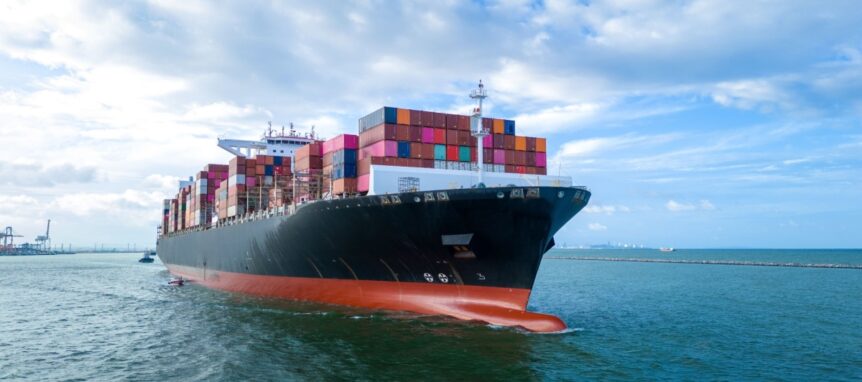
Cargo loading and material handling are essential functions in overseas operations. Civilian contractors are responsible for moving supplies, equipment, vehicles, and construction materials that support military bases, humanitarian missions, and infrastructure projects around the world. Although cargo loading and material handling are routine parts of overseas operations, they consistently involve some of the highest rates of serious workplace injuries among civilian contractors.
Heavy loads, tight schedules, and demanding environments create conditions where even a minor mistake can result in a serious injury. Understanding these risks is important for both workplace safety and recognizing when the Defense Base Act may provide important legal protections.
The Physical Demands of Material Handling
Overseas contractors frequently move equipment that weighs hundreds or even thousands of pounds. Forklifts, cranes, pallet jacks, and cargo loaders help reduce manual labor, but workers are still required to secure loads, guide equipment, and position materials safely.
Repetitive lifting, pushing, pulling, and carrying can place significant stress on the body. Over time, these physical demands increase the risk of back injuries, shoulder damage, knee problems, and repetitive strain conditions. Contractors often perform these tasks while wearing protective gear or working in extreme temperatures, further increasing physical strain and fatigue.
Even when proper lifting techniques are followed, the volume of work and difficult conditions can lead to injury.
Crush and Pinning Accidents
One of the greatest dangers during cargo operations is the risk of being caught between heavy objects. Contractors may become pinned between vehicles, shipping containers, pallets, or moving equipment.
Loads can shift unexpectedly during lifting or transport, especially when operating on uneven ground or aboard moving vessels. A momentary loss of balance or equipment malfunction can result in severe crush injuries, broken bones, or traumatic amputations.
These incidents often require extensive medical treatment and lengthy recovery periods.
Forklift and Equipment Hazards
Forklifts and other material handling equipment are used extensively on overseas job sites. While these machines improve efficiency, they also create significant safety hazards.
Limited visibility, crowded work areas, and changing terrain increase the likelihood of collisions. Contractors working on foot may be struck by moving equipment, while operators face rollover risks on uneven surfaces.
Mechanical failures can further increase the danger, particularly in remote locations where maintenance resources or replacement parts may be limited.
Cargo Operations in Maritime Environments
Many overseas contractors perform cargo handling aboard ships, at ports, or on offshore platforms. Maritime environments introduce additional hazards, including vessel movement, slippery decks, and changing weather conditions.
Cargo may swing unexpectedly while suspended from cranes, increasing the risk of struck-by injuries. Contractors working near open edges or gangways also face the possibility of falls into the water during loading operations.
These conditions make maritime cargo handling especially hazardous compared to similar work on land.
Operational Pressure and Tight Deadlines
Cargo operations often support time-sensitive military or humanitarian missions. Aircraft departures, convoy schedules, and vessel arrivals leave little room for delay.
This operational pressure may encourage workers to move quickly or handle multiple tasks at once. Fatigue, distraction, and rushing increase the likelihood of lifting injuries, communication errors, and equipment accidents.
Even experienced contractors can make mistakes when working under continuous time constraints.
Limited Medical Care Following Serious Injuries
Many overseas cargo operations take place at remote bases, ports, or offshore facilities where advanced medical care is not immediately available. Contractors who suffer fractures, crush injuries, or spinal trauma may require evacuation before receiving specialized treatment.
These delays can complicate recovery and increase the severity of the injury. In some cases, a condition that might have been treated quickly in the United States becomes far more serious because of the contractor’s location.
Defense Base Act Coverage for Cargo Handling Injuries
Civilian contractors injured while performing cargo loading or material handling duties overseas are generally covered under the Defense Base Act when working under qualifying government contracts. Depending on the work being performed and where the injury occurred, the Longshore and Harbor Workers’ Compensation Act or the Outer Continental Shelf Lands Act may also apply.
Eligible benefits may include payment for reasonable and necessary medical treatment, wage replacement during periods of disability, compensation for permanent impairment, and vocational rehabilitation when appropriate.
The law recognizes that overseas cargo operations present risks that differ significantly from similar work performed in the United States.
Why Cargo Injury Claims Are Often Disputed
Insurance carriers frequently challenge cargo handling claims by arguing that injuries resulted from improper lifting techniques, worker negligence, or pre-existing conditions. They may also dispute the extent of disability or whether ongoing treatment is medically necessary.
When multiple contractors or subcontractors are working together, insurers may attempt to shift responsibility between employers or question exactly how the accident occurred.
Accurate incident reports, witness statements, photographs, and prompt medical documentation are often critical to establishing a successful claim.
Recognizing the Risks Behind Routine Operations
Cargo loading and material handling are everyday responsibilities for many civilian contractors, but there is nothing routine about the injuries that can result. Heavy equipment, demanding schedules, changing environments, and complex logistics combine to create one of the highest-risk activities in overseas operations.
Recognizing these hazards helps contractors better understand both the importance of workplace safety and the legal protections available when accidents occur.
Protecting Contractors After Cargo Handling Injuries
Civilian contractors keep overseas operations moving by transporting the equipment and supplies that missions depend on. When cargo loading or material handling results in serious injury, the Defense Base Act provides important protections that can help workers obtain medical care and financial support during recovery.
For more information about Defense Base Act coverage for cargo loading and material handling injuries, contact Barnett, Lerner, Karsen, Zobec, P.A.
Disclaimer: This article is for informational purposes only and does not constitute legal advice. Each Defense Base Act claim is unique. For advice specific to your situation, consult a qualified attorney.