
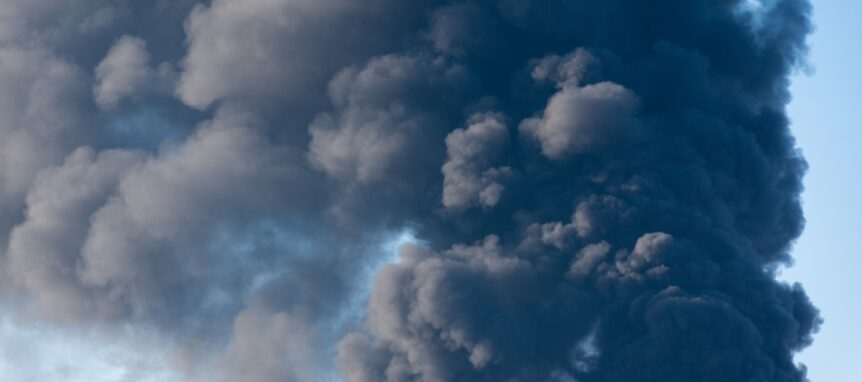
For many civilian contractors deployed overseas, burn pits were a constant part of daily life. These open-air waste sites were used to dispose of a wide range of materials, including plastics, chemicals, fuel, and medical waste. The resulting smoke often lingered over living and working areas, exposing contractors to hazardous airborne toxins for extended periods.
In recent years, a growing number of civilian workers have reported chronic respiratory conditions that may be linked to this exposure. These illnesses can develop gradually and, in many cases, lead to long-term or permanent health consequences.
The Nature of Burn Pit Exposure
Burn pits produced dense smoke containing fine particulate matter and toxic chemicals. These microscopic particles are small enough to be inhaled deep into the lungs, where they can cause irritation and inflammation.
Unlike short-term exposure to smoke, burn pit exposure was often continuous. Contractors worked, slept, and ate in environments where air quality was consistently compromised. This prolonged exposure increases the likelihood of long-term respiratory damage.
Common Respiratory Conditions Reported
Civilian contractors exposed to burn pit smoke have reported a wide range of respiratory illnesses. Chronic bronchitis, asthma diagnosed after deployment, and chronic sinusitis are among the more common conditions.
In more severe cases, contractors have developed constrictive bronchiolitis, interstitial lung disease, and chronic obstructive pulmonary disease. These conditions can significantly reduce lung function and make routine physical activity difficult.
Symptoms often include persistent coughing, shortness of breath, chest tightness, and decreased endurance. Many contractors notice that these symptoms worsen over time.
Why These Conditions Develop Gradually
One of the challenges with burn pit-related illness is the delayed onset of symptoms. In many cases, the body initially compensates for inflammation and damage caused by toxic exposure.
Over time, however, repeated irritation can lead to scarring of lung tissue and narrowing of airways. This process may take months or years, which is why many contractors do not immediately connect their symptoms to prior exposure.
As the condition progresses, symptoms become more noticeable and may begin to interfere with daily activities and work capacity.
The Role of Cumulative Exposure
Many civilian contractors completed multiple overseas deployments, increasing their overall exposure to burn pit smoke. Each deployment adds to the total amount of toxins inhaled.
This cumulative exposure plays a significant role in the development of chronic respiratory conditions. Even if symptoms were mild or absent after one deployment, repeated exposure can increase the risk of more serious illness.
This pattern is common in occupational disease cases and is recognized in Defense Base Act claims.
Impact on Work and Daily Life
Chronic respiratory conditions can have a lasting impact on a contractor’s ability to work. Many overseas positions require physical stamina, including lifting, climbing, and working in extreme environments.
As lung function declines, contractors may be unable to return to similar roles. Even routine activities such as walking long distances or climbing stairs can become difficult.
This loss of physical capacity often leads to reduced earning potential and long-term financial challenges.
Defense Base Act Coverage for Respiratory Illness
The Defense Base Act provides workers’ compensation benefits for illnesses arising out of overseas employment, including those linked to burn pit exposure.
Eligible benefits may include coverage for medical treatment, wage replacement during periods of disability, and compensation for permanent impairment. In cases where the illness significantly limits work capacity, long-term benefits may apply.
Even when symptoms appear years after exposure, a condition may still qualify if it can be linked to overseas employment.
Why Burn Pit Claims Are Often Challenged
Insurance carriers frequently dispute burn pit-related claims. They may argue that respiratory conditions are caused by other factors, such as smoking, environmental pollution, or unrelated health issues.
Because symptoms often develop gradually, gaps in medical records may be used to question the connection between exposure and illness. Establishing a clear link through medical evidence and employment history is often essential.
Proper documentation of deployment locations, exposure conditions, and symptom progression can strengthen these claims.
Recognizing the Growing Pattern
The increase in chronic respiratory conditions among civilian contractors highlights the long-term impact of burn pit exposure. What was once considered a routine part of deployment is now understood to carry significant health risks.
Contractors experiencing persistent respiratory symptoms should seek medical evaluation that considers their exposure history. Early diagnosis can improve treatment outcomes and help establish the foundation for a potential claim.
Addressing the Long-Term Effects of Burn Pit Exposure
Burn pit exposure has left many civilian workers dealing with chronic respiratory illness long after their overseas assignments ended. These conditions can affect both quality of life and the ability to maintain employment.
Understanding the connection between exposure and illness is an important step toward securing appropriate medical care and legal protection. For more information about Defense Base Act coverage for burn pit-related respiratory conditions, contact Barnett, Lerner, Karsen, Zobec, P.A.
Disclaimer: This article is for informational purposes only and does not constitute legal advice. Each Defense Base Act claim is unique. For advice specific to your situation, consult a qualified attorney.