Civilian contractors working overseas often operate in demanding environments where resilience and reliability are highly valued. Whether supporting military operations, providing security, maintaining equipment, or managing logistics, contractors are expected to perform under pressure while adapting to constantly changing conditions. Unfortunately, that same mindset often causes contractors to ignore, minimize, or actively conceal the early signs of post-traumatic stress disorder, …

Recent Attacks on U.S. Bases in the Middle East Highlight the Risks Facing Civilian Contractors
Recent military operations involving the United States, Israel, and Iran have increased security concerns across the Middle East, with published reports indicating that attacks have damaged 20 U.S. military sites across the region. Those attacks reportedly affected facilities in Saudi Arabia, the United Arab Emirates, Qatar, Kuwait, Iraq, Jordan, Bahrain, and Oman. The reported damage includes air defense systems, refueling …
How Burn Pit Toxins May Contribute to Neurological Symptoms in Civilian Workers
Burn pit exposure has long been associated with respiratory illness, but growing research suggests that toxic smoke may affect far more than the lungs. Many civilian contractors who worked near burn pits overseas have reported neurological symptoms that developed during or after deployment, even when they had no history of neurological disease. Although research continues to evolve and many questions …
Drone Warfare Is Changing the Risks Facing Civilian Contractors Overseas
The increasing use of drones in modern warfare is changing the security landscape for civilian contractors working overseas. Recent military conflicts in the Middle East, including operations involving the United States, Israel, and Iran, have demonstrated how unmanned aerial systems can target military installations, logistical infrastructure, and strategic assets with greater precision than ever before. Reports of drone strikes on …
Cargo Loading and Material Handling Injuries: A Common Risk for Overseas Contractors
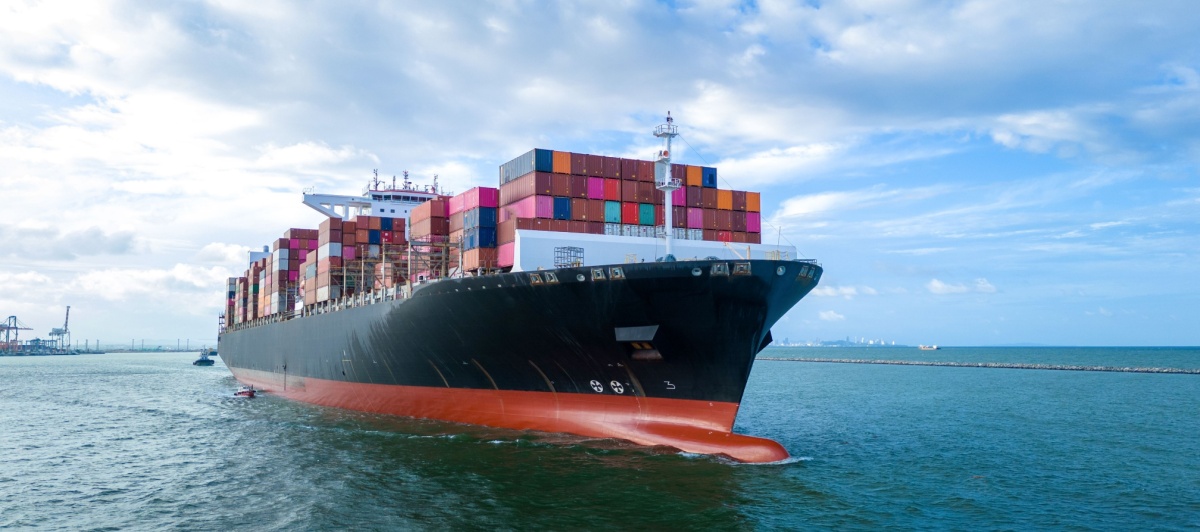
Cargo loading and material handling are essential functions in overseas operations. Civilian contractors are responsible for moving supplies, equipment, vehicles, and construction materials that support military bases, humanitarian missions, and infrastructure projects around the world. Although cargo loading and material handling are routine parts of overseas operations, they consistently involve some of the highest rates of serious workplace injuries among …
Working Around Military Aircraft: Hidden Injury Risks for Civilian Contractors
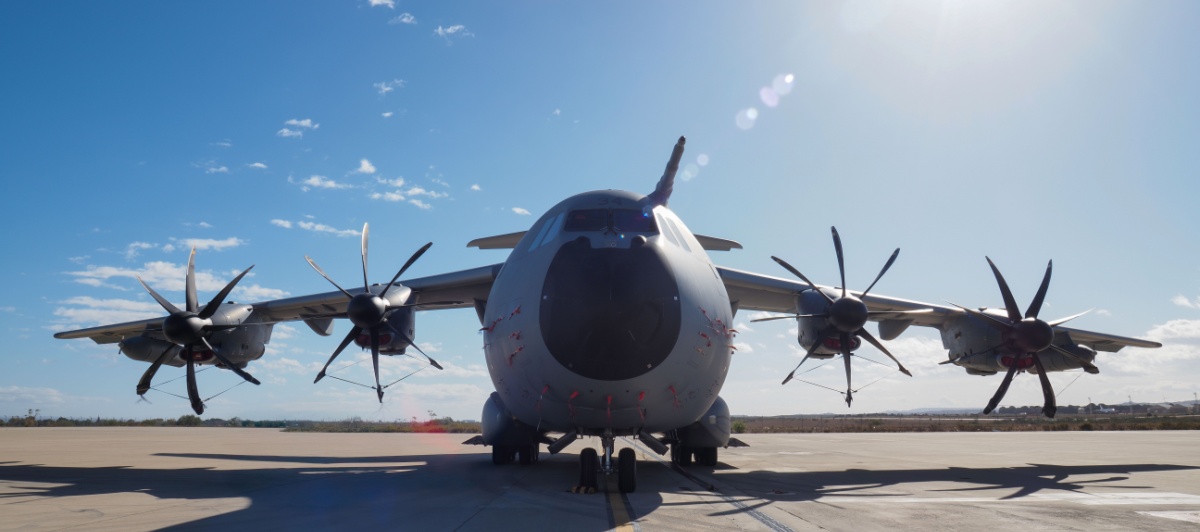
Civilian contractors working around military aircraft operate in some of the most demanding environments in overseas operations. From cargo loading and aircraft maintenance to fueling and runway support, these workers are essential to sustaining military logistics and mobility. While aircraft operations are highly structured, they also involve significant hidden hazards. The pace of operations, the size of the equipment, and …
Why Hypervigilance Often Continues Long After Overseas Deployment Ends
Many civilian contractors return home from overseas assignments expecting life to quickly return to normal. Physically, they may no longer be in danger. Mentally, however, the body and brain often remain conditioned for survival in high-risk environments. One of the most common lingering effects of overseas deployment is hypervigilance. Contractors may continue scanning crowds, reacting strongly to sudden noises, or …
Why Civilian Contractors Face Increased Slip and Fall Risks in Maritime Environments
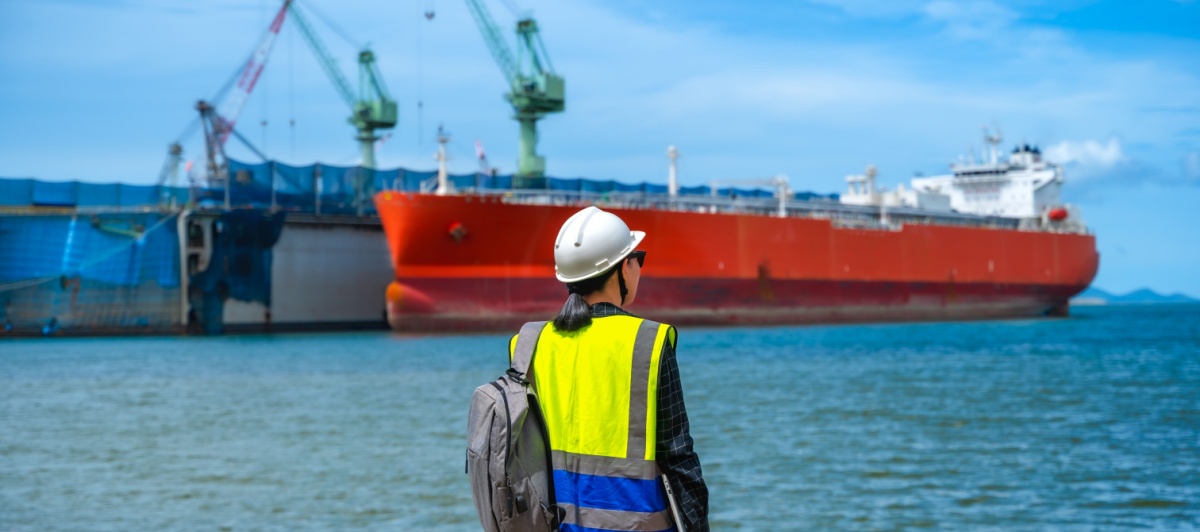
Slip and fall accidents are among the most common causes of injury in maritime work environments. For civilian contractors operating aboard vessels, offshore platforms, and port facilities, these incidents are far more dangerous than they may appear in traditional workplace settings. In maritime environments, unstable surfaces, weather conditions, and confined work areas combine to create a constant risk of serious …
Why Civilian Contractors Face Higher Injury Risk During Night Operations Overseas
Night operations are a routine part of many overseas assignments. Civilian contractors working in logistics, aviation support, construction, security, and maritime operations are often required to work after dark to support mission schedules and operational demands. While nighttime work is sometimes necessary to reduce visibility or maintain around-the-clock operations, it also creates significantly higher injury risks. Reduced visibility, fatigue, and …
Why Burn Pit Illnesses Are Frequently Misdiagnosed After Deployment
Many civilian contractors return home from overseas deployments believing they avoided serious injury, only to develop unexplained health problems months or years later. Chronic coughing, breathing difficulties, fatigue, chest pain, and neurological symptoms are increasingly reported among workers exposed to burn pits overseas. Despite growing awareness of toxic exposure risks, burn pit-related illnesses are still frequently misdiagnosed. This delay in …
Sleep Deprivation in Conflict Zones and Its Role in PTSD Development
Sleep deprivation is one of the most common and overlooked conditions affecting civilian contractors working in conflict zones. While exposure to hostile events often receives the most attention, the cumulative impact of disrupted sleep can be just as significant in shaping long-term mental health outcomes. For many contractors, sleep disruption is not occasional. It is a constant part of deployment. …
Injuries During Offshore Transfers: Risks of Moving Between Vessels and Platforms
Offshore work often requires constant movement between vessels, platforms, and support structures. Whether transferring from a supply boat to an oil rig or boarding a platform via helicopter, these transitions are a routine part of offshore operations. Despite their frequency, offshore transfers remain one of the most dangerous aspects of maritime and offshore employment. Civilian contractors involved in these operations …