
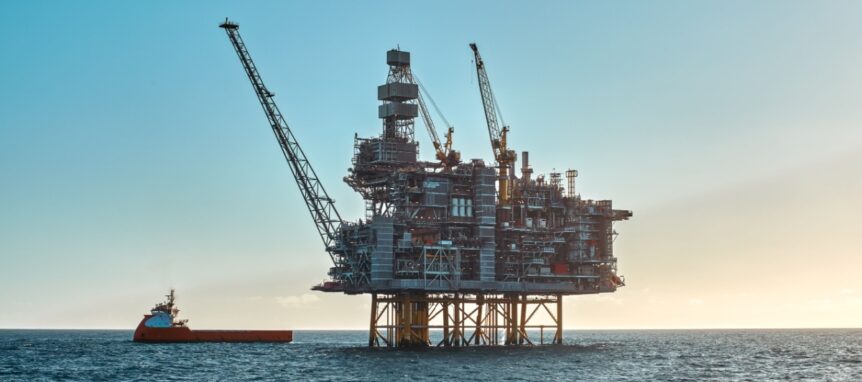
Offshore crane operations are essential to the daily function of oil platforms, supply vessels, and maritime construction projects. These cranes are used to move heavy equipment, transfer cargo between vessels, and support critical infrastructure work in challenging environments.
While these operations are routine, they carry a high risk of catastrophic injury. Civilian contractors working in offshore crane operations face hazards that are amplified by weather, equipment limitations, and the complexities of working at sea.
The Nature of Offshore Crane Work
Offshore cranes operate in environments that are constantly in motion. Unlike land-based construction, where conditions are relatively stable, offshore platforms and vessels shift with waves, wind, and currents.
Crane operators and support crews must account for these movements while lifting heavy loads. Even a minor miscalculation can result in swinging loads, dropped cargo, or sudden shifts that place workers at risk.
These operations require precise coordination between operators, signalers, and deck crews, often under time pressure.
Common Causes of Crane-Related Injuries
Catastrophic injuries in offshore crane operations are often the result of a combination of factors. Equipment failure, human error, and environmental conditions can all contribute.
Dropped loads are among the most dangerous incidents. When heavy equipment or cargo falls, it can cause severe crush injuries or fatalities. Swinging loads can strike workers or destabilize nearby structures.
Mechanical failures, including cable breaks or hydraulic issues, can occur without warning. In offshore environments, maintenance challenges and exposure to saltwater can accelerate wear and tear on equipment.
Environmental Factors Increase Risk
Weather conditions play a significant role in offshore crane safety. High winds, rough seas, and limited visibility can make lifting operations more hazardous.
Even when operations are permitted to continue, these conditions reduce reaction time and increase the likelihood of miscommunication. Deck surfaces may be wet or unstable, increasing the risk of slips and falls during crane operations.
Environmental stressors also affect equipment performance, adding another layer of unpredictability.
Communication and Coordination Challenges
Offshore crane operations rely heavily on clear communication. Signalers, operators, and ground crews must work together to ensure safe lifts.
Noise from machinery, weather conditions, and language barriers in multinational crews can interfere with communication. Misunderstandings during critical moments can lead to serious accidents.
In fast-paced environments, even small communication breakdowns can have significant consequences.
The Severity of Offshore Crane Injuries
Injuries involving offshore cranes are often severe due to the weight of the loads and the forces involved. Contractors may suffer traumatic injuries such as crush injuries, amputations, head trauma, or spinal damage.
In many cases, these injuries result in long-term or permanent disability. The remote nature of offshore work can delay access to advanced medical care, further complicating recovery.
Evacuation from offshore platforms may require helicopter transport, adding time and cost to emergency response efforts.
Legal Coverage for Offshore Crane Injuries
Civilian contractors injured during offshore crane operations may be covered under the Outer Continental Shelf Lands Act, the Longshore and Harbor Workers’ Compensation Act, or the Defense Base Act, depending on the location and nature of the work.
These laws provide compensation for medical treatment, wage loss, and disability resulting from work-related injuries. Determining which law applies can be complex and often depends on the worker’s role and the specific circumstances of the incident.
In many cases, multiple legal frameworks may overlap, requiring careful analysis.
Why These Claims Are Often Disputed
Insurance carriers frequently challenge offshore crane injury claims due to their severity and cost. Disputes may focus on the cause of the accident, the condition of the equipment, or whether safety protocols were followed.
They may also question the extent of medical treatment or the need for long-term care. In catastrophic injury cases, these disputes can significantly impact the benefits available to the injured contractor.
Detailed incident reports, maintenance records, and medical documentation are often critical in resolving these claims.
The High Stakes of Offshore Operations
Offshore crane operations are necessary for maintaining critical infrastructure, but they come with inherent risks. The combination of heavy loads, environmental challenges, and complex coordination creates a work environment where mistakes can have serious consequences.
Understanding these risks is essential for both prevention and proper response when injuries occur.
Protecting Contractors After Serious Offshore Injuries
Civilian contractors working offshore take on significant responsibility in high-risk environments. When crane-related accidents result in serious injury, legal protections exist to help address the medical and financial impact.
For more information about Defense Base Act and maritime injury protections for offshore workers, contact Barnett, Lerner, Karsen, Zobec, P.A.
Disclaimer: This article is for informational purposes only and does not constitute legal advice. Each Defense Base Act claim is unique. For advice specific to your situation, consult a qualified attorney.