
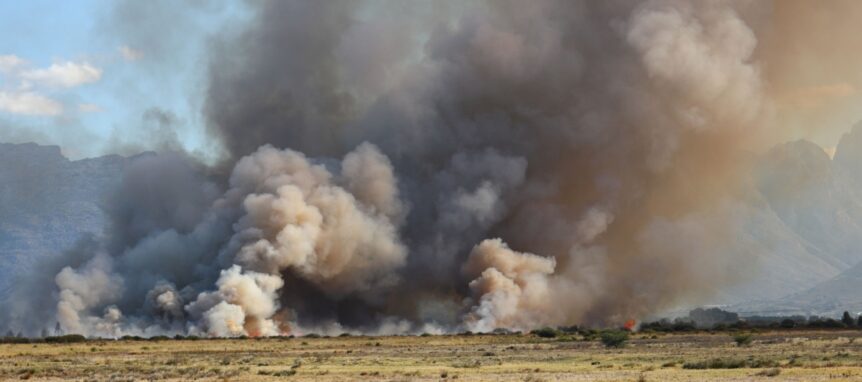
For many civilian contractors who worked overseas in Iraq, Afghanistan, Syria, and other deployment zones, burn pits were part of daily life. These large, open-air waste sites burned plastics, fuel, chemicals, medical waste, and other hazardous materials, often around the clock. The thick smoke lingered over bases, work sites, and living quarters.
Years later, a growing number of contractors are being diagnosed with serious respiratory illnesses that may be linked to burn pit exposure. In some cases, these conditions lead to long-term or permanent disability.
What Burn Pit Smoke Contains
Burn pit smoke was not ordinary smoke. It often contained fine particulate matter, heavy metals, volatile organic compounds, and other toxic byproducts. These microscopic particles can penetrate deep into the lungs and enter the bloodstream.
Repeated exposure, especially over multiple deployments, increases the likelihood of long-term damage. Many contractors breathed this contaminated air for months at a time while working, sleeping, and eating in close proximity to active burn pits.
Common Respiratory Conditions Reported
Contractors exposed to burn pit smoke have reported a wide range of respiratory symptoms and diagnoses. These include chronic bronchitis, asthma diagnosed after deployment, chronic sinusitis, constrictive bronchiolitis, interstitial lung disease, and chronic obstructive pulmonary disease.
Some individuals experience persistent shortness of breath, chronic coughing, wheezing, and reduced exercise tolerance. Others develop more severe lung scarring or inflammatory conditions that progressively worsen over time.
Because many of these illnesses develop gradually, contractors may not recognize the connection to burn pit exposure until the condition has advanced.
Why Symptoms May Worsen Over Time
Respiratory damage from toxic exposure is often cumulative. Inflammation caused by inhaled toxins may begin subtly but continue even after exposure ends. Over time, this inflammation can lead to scarring, airway narrowing, and reduced lung capacity.
In some cases, lung function declines slowly for years before becoming disabling. Contractors who once worked physically demanding jobs may find themselves unable to climb stairs, lift equipment, or perform even moderate activity without significant breathing difficulty.
This progression can transform a manageable condition into a permanent disability.
Long-Term Disability and Employment Impact
Respiratory illness can significantly affect a contractor’s ability to return to overseas work. Many positions in security, construction, logistics, and technical operations require physical stamina and the ability to work in challenging environments.
When lung function is compromised, contractors may be permanently restricted from high-altitude, high-heat, or physically demanding assignments. This loss of earning capacity can have long-term financial consequences, particularly for those who relied on overseas contracts as their primary source of income.
Defense Base Act Coverage for Respiratory Illness
The Defense Base Act provides workers’ compensation benefits for illnesses arising out of overseas employment, including those linked to toxic exposure. Respiratory diseases caused or aggravated by burn pit smoke may qualify for medical coverage and wage replacement.
Benefits may include payment for all reasonable and necessary medical treatment, compensation for temporary or permanent disability, and vocational rehabilitation when appropriate. In fatal cases, survivor benefits may also be available.
Even if a condition develops years after deployment, it may still qualify as an occupational disease under the Act, provided a connection to overseas employment can be established.
Challenges in Burn Pit Respiratory Claims
Burn pit-related claims are frequently contested. Insurance carriers may argue that respiratory illness was caused by smoking, environmental pollution, or unrelated medical factors. They may also dispute the severity of disability or the need for ongoing treatment.
Because symptoms often develop slowly and documentation from overseas assignments may be limited, establishing a clear link between exposure and illness is essential. Detailed medical evaluations and thorough employment histories often play a critical role in successful claims.
Recognizing the Long-Term Consequences
Respiratory illness linked to burn pit exposure is not always immediate, but its effects can be lasting and life-altering. Contractors who once performed demanding work in challenging environments may find themselves struggling with daily activities due to reduced lung capacity.
Early evaluation, accurate diagnosis, and proper documentation are important steps in protecting both health and legal rights.
Protecting Contractors Facing Respiratory Disability
Civilian contractors exposed to burn pit smoke accepted significant risks in support of overseas operations. When that exposure leads to chronic respiratory illness and long-term disability, the law provides avenues for protection and compensation.
For more information about Defense Base Act protections for burn pit-related respiratory illness, contact Barnett, Lerner, Karsen & Zobec, P.A.
Disclaimer: This article is for informational purposes only and does not constitute legal advice. Each Defense Base Act claim is unique. For advice specific to your situation, consult a qualified attorney.