
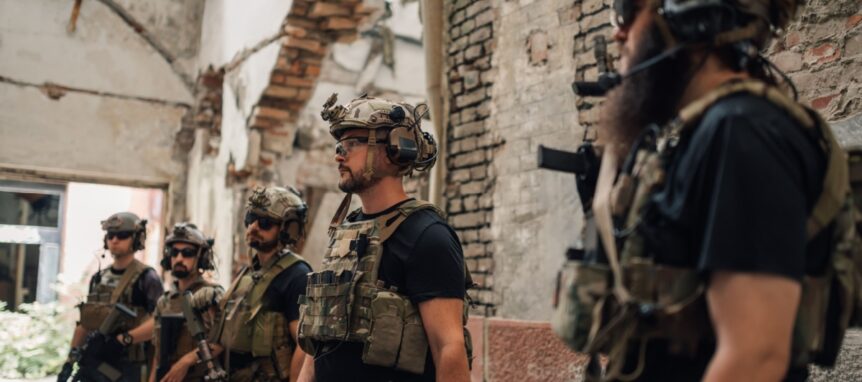
Medical support contractors play a critical role in overseas operations, often serving as the first and sometimes only line of care in dangerous and unstable environments. These professionals include doctors, nurses, paramedics, trauma specialists, and medical logistics personnel who support military forces, aid workers, and civilian populations in conflict zones and post-conflict regions.
Although their mission is humanitarian and life-saving in nature, medical support contractors face a unique and often underestimated set of risks. In many cases, their injury exposure rivals or exceeds that of other civilian contractors working overseas.
Medical Contractors Operate Close to Danger
Unlike many support roles that function behind secured perimeters, medical contractors frequently operate close to the source of danger. Field hospitals, aid stations, and mobile medical units are often located near active conflict zones to reduce evacuation times and improve survival rates.
This proximity increases exposure to indirect fire, explosions, civil unrest, and sudden security breakdowns. Medical facilities may become targets themselves, particularly in regions where armed groups view healthcare operations as symbols of foreign involvement or strategic assets.
Transportation and Evacuation Risks
Medical support contractors are heavily involved in patient transport and evacuation. These duties require frequent travel by ground convoy, helicopter, or fixed-wing aircraft, often under time pressure and in adverse conditions.
Emergency evacuations increase the likelihood of accidents. Night operations, poor infrastructure, weather challenges, and the urgency of saving lives all contribute to higher risks of vehicle crashes, aircraft incidents, and loading or unloading injuries. These transportation-related accidents are a leading cause of serious injury among medical contractors.
Overwork and Fatigue Increase Injury Risk
Unstable regions place extreme demands on medical personnel. Contractors often work long shifts with minimal rest while responding to mass casualty events, disease outbreaks, or sudden surges in violence.
Fatigue significantly increases the risk of workplace accidents. Needle sticks, medication errors, slips and falls, and equipment-related injuries are more likely when contractors are physically and mentally exhausted. Over time, chronic fatigue also contributes to long-term health problems that may qualify as compensable injuries.
Exposure to Violence and Environmental Hazards
Medical contractors may face direct threats from violence, including armed attacks, riots, or hostage situations. In some regions, medical personnel must navigate hostile crowds, unstable checkpoints, or rapidly changing security conditions.
Environmental hazards add another layer of risk. Extreme heat, infectious disease exposure, unsanitary conditions, and limited protective equipment are common in unstable regions. These factors increase the likelihood of illness and injury, even when no single traumatic event occurs.
Delayed and Limited Medical Care for Caregivers
Ironically, medical support contractors often lack access to adequate care for themselves. When injured, they may be treated initially at the same limited facilities where they work. Advanced care often requires evacuation to another country, which can take hours or days.
These delays frequently worsen injuries and complicate recovery. From a legal standpoint, delayed treatment also increases the cost and complexity of medical care, which is often challenged by insurance carriers in injury claims.
Defense Base Act Coverage for Medical Contractors
Medical support contractors working overseas under U.S. government contracts are generally covered by the Defense Base Act. This law provides workers’ compensation benefits for injuries and illnesses arising out of overseas employment, including those caused by cumulative stress, environmental exposure, or transportation incidents.
Eligible benefits may include payment for all reasonable and necessary medical treatment, wage replacement during periods of disability, compensation for permanent impairment, and survivor benefits in fatal cases. Coverage is not limited to injuries sustained during combat and may apply even when injuries occur outside normal work hours.
Why These Claims Are Frequently Disputed
Insurance carriers often challenge medical contractor injury claims by arguing that injuries are routine workplace incidents, pre-existing conditions, or unrelated to overseas employment. They may also dispute the necessity of evacuation, extended treatment, or specialized care.
Because medical contractors are expected to understand risk, insurers sometimes unfairly argue that injury is an assumed part of the job. The Defense Base Act does not support this position, but it often requires careful documentation and legal advocacy to overcome these defenses.
The Risks Facing Medical Support Contractors
Medical support contractors accept significant personal risk to care for others in some of the most dangerous places in the world. Their injuries, whether caused by violence, accidents, exhaustion, or environmental exposure, can have lasting physical and financial consequences.
When these injuries occur, the Defense Base Act exists to provide protection and support. Understanding these risks and the legal remedies available is essential for contractors who serve on the front lines of care in unstable regions.
For more information about Defense Base Act protections for injured medical support contractors, contact Barnett, Lerner, Karsen & Zobec, P.A.
Disclaimer: This article is for informational purposes only and does not constitute legal advice. Each Defense Base Act claim is unique. For advice specific to your situation, consult a qualified attorney.