
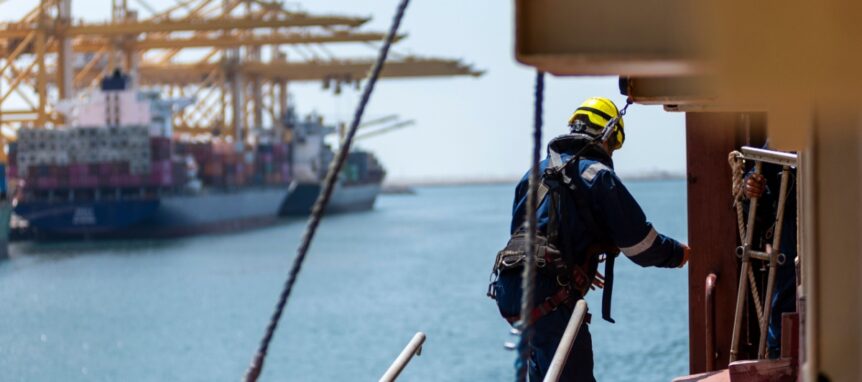
Maritime security operations have become a critical component of modern military and commercial activity. From protecting shipping lanes to guarding offshore installations, civilian contractors play a central role in maintaining stability at sea. These operations often take place in high-risk regions where piracy, regional conflict, and geopolitical tensions intersect.
While maritime security work is essential, it exposes civilian contractors to a wide range of injury risks that are often underestimated. Understanding these risks is important not only for safety planning but also for recognizing when legal protections such as the Defense Base Act or related maritime laws may apply.
The Expanding Role of Maritime Security Contractors
Civilian maritime security contractors support a variety of missions. These include vessel escort operations, port security, offshore platform protection, intelligence support, and logistics coordination. Contractors may operate aboard commercial vessels, naval support ships, or fixed offshore facilities.
Many assignments occur in areas such as the Red Sea, the Persian Gulf, the Gulf of Aden, and parts of the Indian Ocean. These regions are vital to global trade but are also prone to piracy, armed conflict, and sudden escalation. Contractors must remain vigilant at all times, often while working long shifts in physically demanding environments.
Common Injury Risks at Sea
Maritime environments present unique physical hazards. Slippery decks, heavy equipment, confined spaces, and unpredictable weather increase the likelihood of serious accidents. Falls overboard, crush injuries, and head trauma are persistent risks, even during routine operations.
Security-specific duties add another layer of danger. Contractors may be injured during weapons handling, boarding operations, or rapid response drills. In high-threat areas, the possibility of hostile engagement, explosive devices, or small boat attacks further elevates the risk profile.
Transportation and Vessel-Related Accidents
Transportation incidents are a leading cause of contractor injuries in maritime security operations. Small boat transfers between vessels, helicopter operations, and port approaches all involve significant risk. Rough seas, limited visibility, and time-sensitive maneuvers increase the likelihood of accidents.
When injuries occur offshore, immediate medical care is often limited. Evacuation delays can worsen injuries and complicate recovery, especially when contractors must be transported long distances to reach advanced medical facilities.
Fatigue and Extended Deployments
Maritime security assignments frequently involve long deployments with minimal downtime. Contractors may work rotating watches, overnight shifts, and extended patrols with little opportunity for rest. Fatigue reduces reaction time and increases the risk of accidents, both during security operations and routine tasks.
Chronic fatigue can also contribute to long-term health problems, including musculoskeletal injuries and cardiovascular strain. These cumulative effects are often overlooked until they result in serious injury or illness.
Legal Coverage for Injured Maritime Contractors
Civilian contractors injured during maritime security operations may be covered under the Defense Base Act, the Longshore and Harbor Workers’ Compensation Act, or the Outer Continental Shelf Lands Act, depending on the nature of the work and the location of the injury.
The Defense Base Act may apply when contractors are supporting U.S. government operations overseas, even when injuries occur off duty if employment placed the worker in a dangerous or isolated environment. Maritime laws may apply when injuries occur on navigable waters or offshore facilities connected to resource development or port operations.
Eligible benefits can include payment of all reasonable and necessary medical care, wage replacement during disability, compensation for permanent impairment, and survivor benefits in fatal cases.
Why Maritime Injury Claims Are Often Disputed
Insurance carriers frequently challenge maritime contractor claims by disputing jurisdiction or arguing that injuries were not work-related. They may also question the necessity of evacuation, specialized treatment, or extended recovery time.
Because maritime injuries often involve complex operational environments and overlapping legal frameworks, proper documentation and a clear understanding of applicable laws are critical to protecting injured workers’ rights.
The Risks Facing Contractors at Sea
Maritime security operations place civilian contractors in dynamic and hazardous environments where injuries can occur without warning. From physical accidents and transportation incidents to fatigue-related errors and hostile encounters, the risks are substantial and ongoing.
When injuries occur, contractors deserve access to medical care and wage protection that reflects the realities of their work. Understanding available legal protections is an essential step toward recovery and financial stability.
Protecting Maritime Contractors After an Injury
Civilian contractors supporting maritime security operations take on significant risk to protect global commerce and strategic interests. When those risks result in injury, legal protections exist to help address the consequences.
For more information about Defense Base Act and maritime injury protections for civilian contractors, contact Barnett, Lerner, Karsen & Zobec, P.A.
Disclaimer: This article is for informational purposes only and does not constitute legal advice. Each Defense Base Act claim is unique. For advice specific to your situation, consult a qualified attorney.