
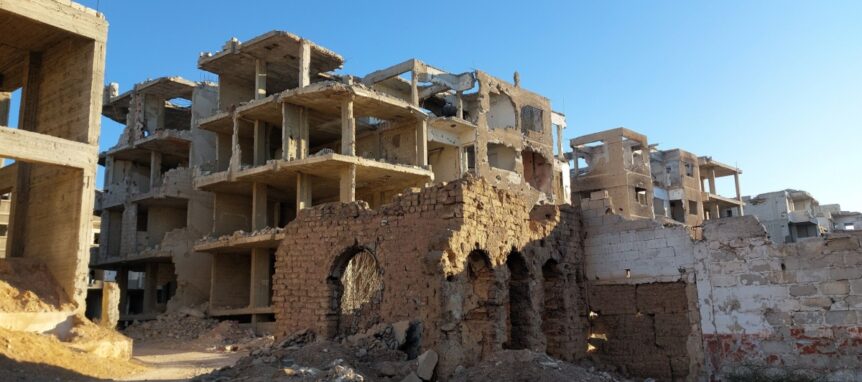
After more than a decade of conflict, parts of Syria have begun a slow and uneven reconstruction process. International aid groups, foreign investors, and regional governments are funding new roads, bridges, utilities, and housing, hoping to restore basic infrastructure and stabilize devastated communities. This rebuilding effort has drawn a growing number of private contractors back into the country, including engineers, construction specialists, logistics teams, and security personnel.
While the reconstruction boom represents opportunity, it also brings serious risks. Syria remains one of the most unpredictable and hazardous environments in the world. For U.S. civilian contractors supporting government-funded projects or military operations in the region, the dangers can be both visible and hidden—and when injuries occur, Defense Base Act protections may apply.
A Shifting Landscape With Persistent Dangers
Syria’s landscape is marked by destroyed cities, unstable political factions, and ongoing clashes between rival groups. Even in areas considered “secure,” remnants of explosive devices, damaged infrastructure, and intermittent violence make work dangerous. Contractors often operate in regions where security conditions change daily and where the threat of violence never fully disappears.
Reconstruction zones in northern and eastern Syria frequently sit near contested territory, exposing workers to stray gunfire, indirect attacks, or sabotage. These hazards are not limited to frontline workers. Contractors transporting equipment, surveying land, or supporting logistics operations face risks that would be unthinkable in most other countries.
The Critical Role of Contractors in Rebuilding Syria
Contractors involved in Syria’s reconstruction perform a wide range of duties that support both humanitarian and strategic goals. They help rebuild hospitals, utilities, communications systems, and critical infrastructure. Others provide security assessments, transportation services, and supply chain support needed to keep these projects running.
Although these missions are civilian in nature, they often occur alongside U.S. military support operations or under U.S. government contracts. This connection typically brings contractors under the jurisdiction of the Defense Base Act, even when their work appears entirely non-military. For many workers, this is the only path to compensation after an injury overseas.
Hidden Hazards on Reconstruction Sites
Unlike traditional construction zones, Syrian work sites are layered with risks that may not be immediately visible. One of the greatest dangers comes from unexploded ordnance buried beneath collapsed buildings or scattered around former battlefields. A single misstep can trigger an explosion, causing life-threatening injuries.
Toxic exposure also presents a major risk. Contractors may encounter hazardous chemicals released from destroyed industrial sites or inhale dust and debris containing contaminants. Repeated exposure can lead to respiratory issues, skin conditions, or long-term illnesses that do not appear until months or years later.
Psychological strain is another hidden hazard. Many reconstruction teams operate under constant uncertainty, navigating security checkpoints, hearing distant explosions, or witnessing suffering among local communities. The cumulative stress can lead to anxiety, depression, or post-traumatic stress that requires long-term treatment.
How the Defense Base Act Applies to Injuries in Syria
The Defense Base Act (DBA) provides workers’ compensation coverage to civilian contractors working overseas under U.S. government contracts. Because many reconstruction projects involve U.S. funding or support, injuries sustained in Syria may qualify for DBA protection.
Under the DBA, contractors may be eligible for:
- Payment of all reasonable and necessary medical care, including emergency treatment and long-term care
- Wage replacement benefits equal to two-thirds of the contractor’s average weekly wage during recovery
- Compensation for permanent disabilities, including psychological injuries
- Vocational retraining when injuries prevent contractors from returning to their previous work
Even injuries that occur during off-duty hours may qualify if they relate to the contractor’s presence in Syria or the conditions created by their employment. This distinction is essential for workers injured in housing units, during transport, or while living on secure compounds.
Challenges in Securing DBA Benefits
Despite the broad protections of the Defense Base Act, contractors injured in Syria often face challenges when filing claims. Insurance companies may dispute the cause of injury, argue that hazards were unrelated to employment, or minimize the severity of psychological conditions. They may also question whether toxic exposure or delayed-onset illnesses can be tied to deployment.
A successful claim requires clear documentation, medical support, and a strong understanding of how DBA coverage applies to overseas injuries. Without legal assistance, many contractors find themselves overwhelmed by technical requirements or denied benefits they deserve.
Protecting Contractors Amid Syria’s Reconstruction Efforts
Syria’s reconstruction boom underscores the essential role civilian contractors play in rebuilding societies emerging from conflict. These workers take on significant risks to restore stability, repair infrastructure, and support humanitarian progress. Yet the physical and psychological toll of working in such dangerous environments is often underestimated.
When injuries occur, the Defense Base Act provides a vital safety net, ensuring that contractors receive the medical care and wage support necessary to rebuild their own lives. Skilled legal representation helps secure these benefits and protect workers from unfair claim denials or reduced compensation.
For more information about Defense Base Act protections for contractors working in Syria, contact Barnett, Lerner, Karsen, Zobec, P.A..
Disclaimer: This article is for informational purposes only and does not constitute legal advice. Each Defense Base Act claim is unique. For advice specific to your situation, consult a qualified attorney.